 PEWPEW/LIFEv0.1 · TARGET ACQUIREDPEWPEW/LIFEv0.1 · TARGET ACQUIRED
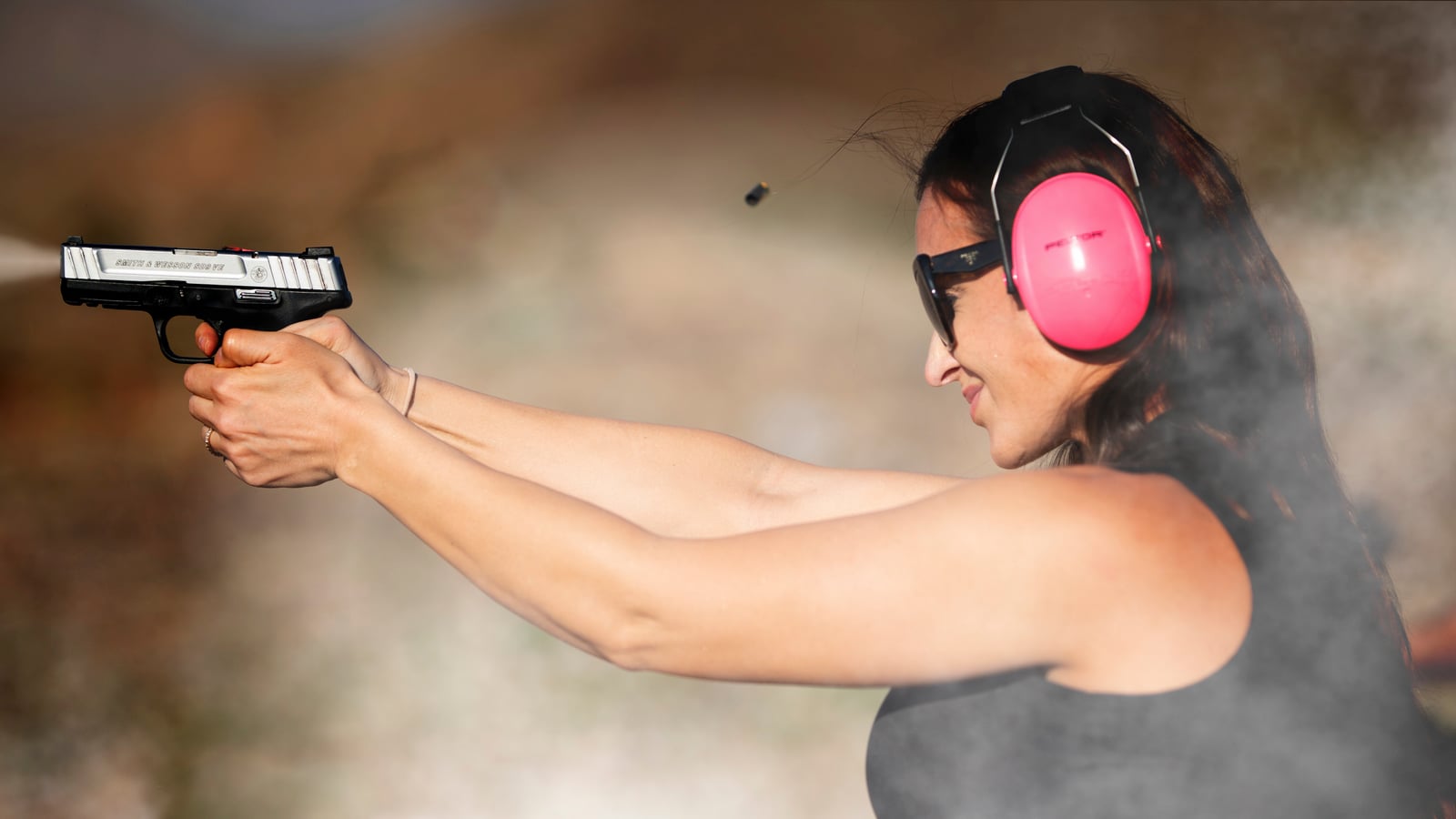
For individuals with ADHD, sport shooting can be a surprising ally. Its structured environment, immediate feedback, and intense focus can transform challenges into strengths.
Practicing sport shooting while pregnant requires careful consideration. Learn about lead exposure, noise risks, and practical tips for a safe experience, or temporary alternatives.
An injury, surgery, or chronic pain can be a frustrating interruption for any sport shooter. This guide offers a structured and safe return to the range, focusing on listening to your body and medical advice.
Discover how sport shooting can boost your concentration, reduce stress, improve posture, and enhance coordination. It's more than just a sport—it's a path to better well-being.
Cold weather presents unique challenges for sport shooters. Learn how to keep your hands warm, manage equipment, and adapt your technique to maintain accuracy during winter shooting sessions.
Before a shooting session or competition, it's tempting to grab a coffee. But caffeine, while boosting focus, can severely degrade precision shooting performance. Learn why.
In sport shooting, brute strength matters less than postural endurance and stability. Learn how to strengthen your core, forearms, and shoulders for better accuracy and consistency.
A quick 10-minute warm-up routine can dramatically improve your stability and consistency in sport shooting. Prepare your body and mind for optimal performance.
Presbyopia can challenge your shooting, but it doesn't have to end your sport. Discover practical solutions, from adjustable irises to specialized lenses, to maintain your precision and enjoyment on the range.
Your time at the shooting range is your passion, but you might not realize you're exposed to a subtle chemical reality: lead. Learn how to protect yourself.
Learn how to handle common shooting range injuries from fragments, ricochets, and debris. Essential first aid, protective gear, and when to seek medical attention.
Ever wonder about the air you breathe at the indoor shooting range? Poor ventilation isn't just uncomfortable; it's a health hazard. Learn how to check if your club's system is protecting you from lead, CO, and powder fumes.
Understand the legal and safety aspects of lending your firearm at the shooting range. Protect yourself and others while sharing your passion.
If you own firearms, you might face a home inspection. Learn what authorities check, how to prepare, and what to do during the visit to ensure compliance.
Your FFTir license includes liability insurance, but do you know what it truly covers and, more importantly, what it doesn't? Understand the limits to protect yourself.
A comprehensive guide to digitally transferring firearms between licensed shooters in France via the SIA system, avoiding common pitfalls.
Many believe a license is essential for Category C firearms in France, but alternative permits exist. Learn what's truly possible.
The European Firearms Pass (EFP) is essential for sport shooters traveling with their firearms within the EU. Learn how to get yours and ensure smooth cross-border travel.
Understand the regulations for storing Category B ammunition in France. Learn about the 1000-round per firearm quota, storage requirements, and how to stay compliant.
Understanding the 12-firearm limit for Category B in France is crucial for sport shooters. This guide explains why this limit exists, how firearms are counted, what doesn't count, and what to do when you reach the ceiling.
Discover mental anchoring, a powerful technique for sport shooters to instantly regain focus under pressure. Learn how to choose, install, and refine your personal trigger.
Learning to abort a shot is a crucial skill for any sport shooter. It's not about failure, but about making a strategic decision to improve your next shot.
Discover how your inner dialogue impacts your shooting performance. Learn to transform negative self-talk into powerful, positive affirmations for better focus and results.
The difference between a regular shooter and an excellent one? Often, it's not the first shot that matters, but what happens between each shot. This reset routine helps you clear your mind and refocus.
You're seven shots from the end of a series, mentally calculating that you can still hit a 10. "I need a 10 to stay in the running." Suddenly, everything speeds up. Your heart races, hands feel weak, breathing becomes erratic. Mental math—that formidable trap in competition—drowns you in performance pressure. How do you escape it?
Learn how to properly use a shooting sling for enhanced stability in prone and kneeling positions. This guide covers setup, common mistakes, and maintenance for sport shooters.
Canting, or rifle tilt, is a subtle but significant issue in shooting. Learn how this often-overlooked problem can shift your point of impact, especially at longer distances, and how to detect and correct it for improved accuracy.
The involuntary blink when the shot breaks is a common and insidious flaw in sport shooting. Learn to overcome this natural reflex and improve your accuracy.
In competitive rifle shooting, consistent accuracy hinges on a perfect cheek weld. This guide explores its importance, how to achieve it, and common pitfalls to avoid.
Learn to master the challenging offhand rifle shooting position. This guide covers everything from proper stance and breathing to understanding and reducing your wobble zone for improved accuracy.
Mastering one-handed pistol shooting in ISSF requires a stable, controlled stance. Learn how to build a solid foundation from your feet to your grip, manage fatigue, and improve your precision.
Discover how par time can revolutionize your shooting practice. Learn to set realistic goals, progress effectively, and avoid common pitfalls for better speed and accuracy.
The Dot Torture drill is a brutal yet highly effective diagnostic tool for pistol shooters. With its unforgiving "zero error" rule, it reveals every technical flaw and mental weakness.
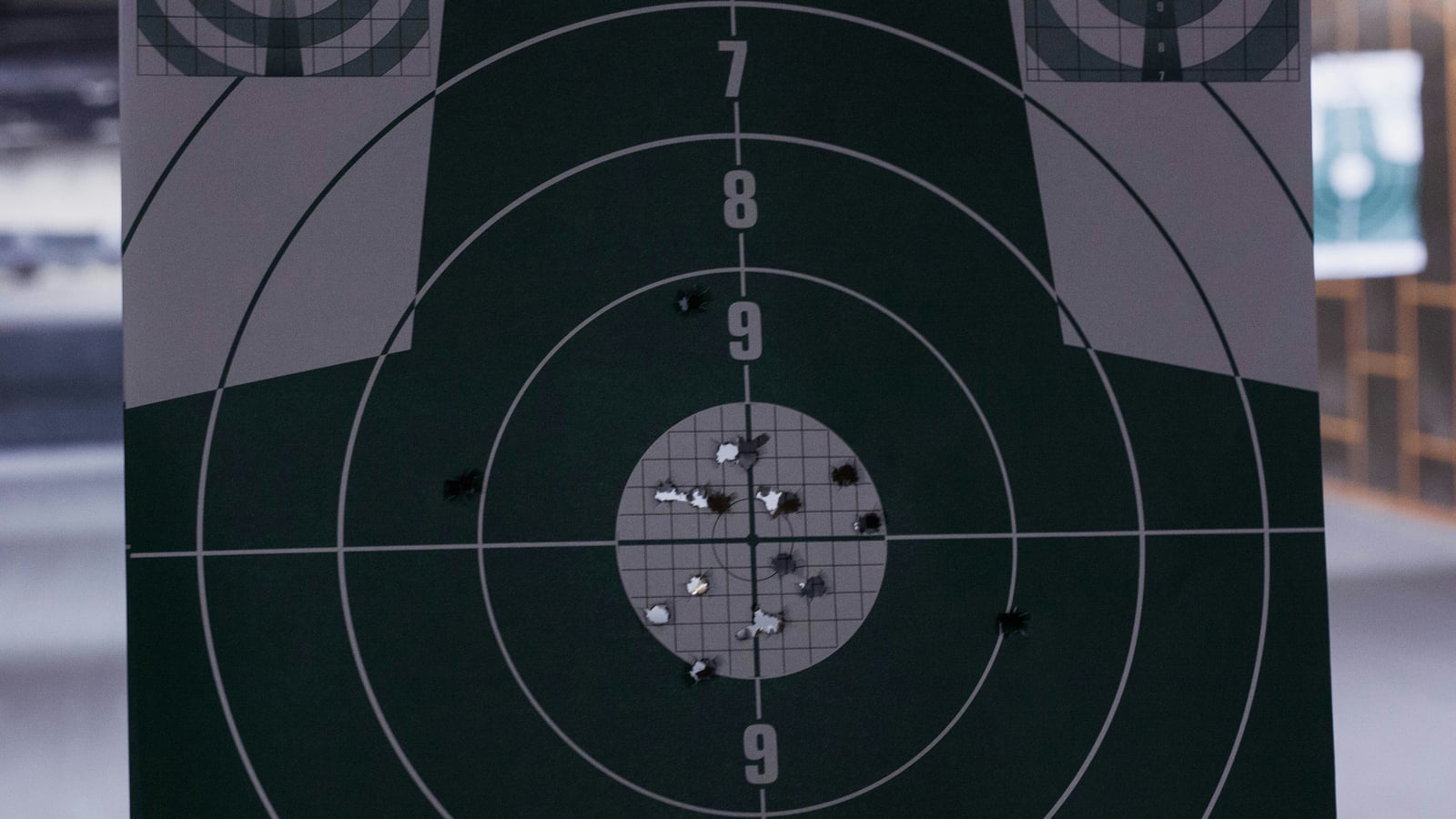
Are your pistol shots scattered, and you don't know why? Learn to diagnose common shooting flaws by analyzing your shot group with the correction wheel.
The flinch can ruin your shooting accuracy. Learn how to diagnose and correct this involuntary reaction with the classic ball-and-dummy test and effective dry-fire drills.
As autumn arrives, it's time to transition from outdoor shooting to indoor ranges. Use this checklist to ensure your gear is ready for the 10m (and 25m) winter season.
Get ready for the 10m indoor shooting season! Learn how to set realistic goals, structure your training, manage volume, and track progress for competitive success.
As the shooting season winds down, it's the perfect time to pause and assess your progress. A seasonal review isn't just about numbers; it's an opportunity to turn months of effort into concrete learning, renewed motivation, and clear goals for the next year.
Transform your shooting club into a force for good! Learn how to organize a successful charity shooting event, like a Telethon fundraiser, to support a great cause and boost your club's community image.
Don't fall for fake discounts this Black Friday! Learn how to spot genuine deals on shooting sports gear, from ammo to optics, and make smart purchases.
Folding shooting benches compared by price range, stability and weight, to help you choose based on occasional or regular benchrest use.
Looking for a unique holiday gift? A sport shooting initiation offers a fun, engaging, and educational experience that promotes focus and discipline in a safe environment.
Looking for the perfect Christmas gift for the sport shooter in your life? This guide offers practical, useful, and budget-friendly ideas for every type of shooter, from beginners to competitors.
Hard, semi-rigid, or soft: the full comparison of gun transport cases to help you choose based on how often you travel and your budget.
Comfort, communication, discretion and price: the real comparison between electronic earmuffs and earplugs so you can choose based on how you actually shoot.
Official paper logbook or digital tracking: what regulations actually require and what each tool really brings to the shooter.
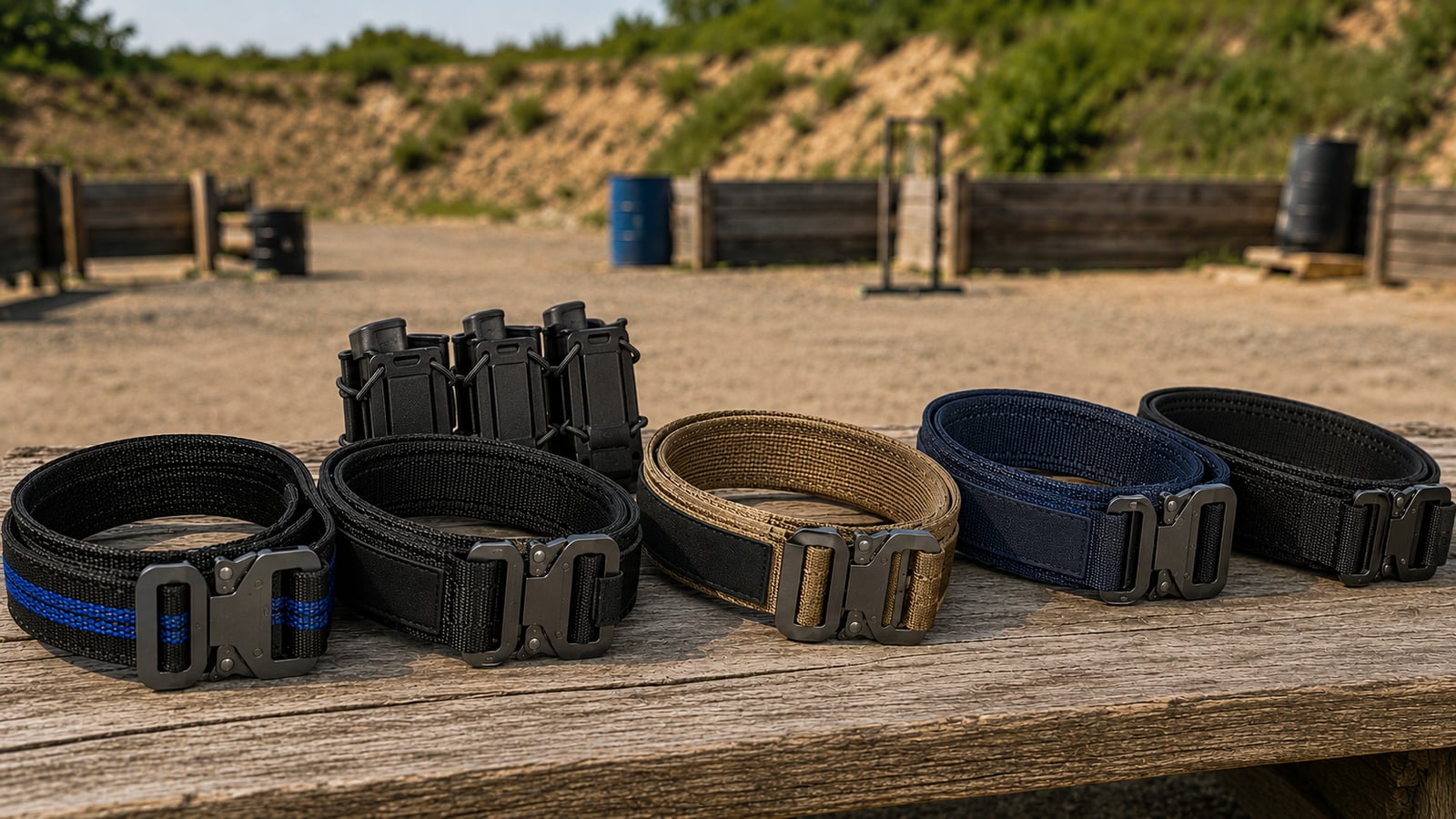
Rigid belt, holster, mag pouches: what really separates a beginner's belt from a competition-grade IPSC setup.
Covered range or outdoor firing line: atmosphere, distances, weather and accessible disciplines — everything you need to compare before choosing your club.
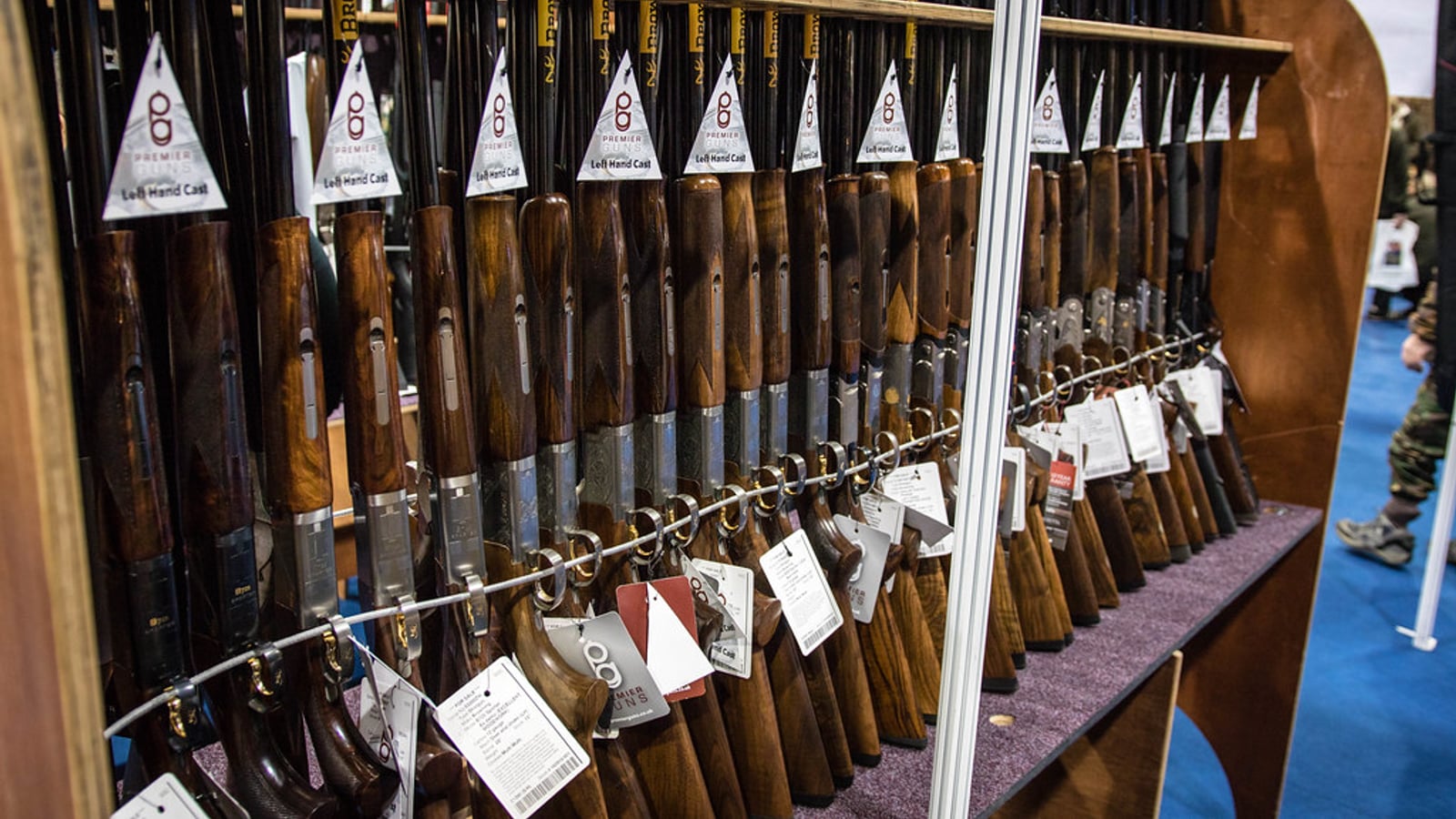
Rifles, shotguns, optics: the real state of left-handed offerings in sport shooting, and concrete solutions when no left-handed model exists.
Your Category B firearm authorization isn't indefinite. Learn why it expires every 5 years, how to renew it, and what happens if you don't.
The real math behind .22 LR and 9mm: cost per 1000 rounds, equipment wear, and the direct impact on your annual training volume.
New or used: what really changes on price, warranty and risk, before you sign off on your next firearm purchase.
Insurance, entry fees for official events, real cost: what actually distinguishes a standard license from an FFTir competition license.
Learn how to verify, correct, and maintain your digital gun rack on SIA. Avoid administrative headaches, control issues, and potential sanctions by keeping your inventory up-to-date.
FFTir, FFBT, or independent club: what affiliation really changes for your disciplines, your insurance, and your everyday life as a shooter.
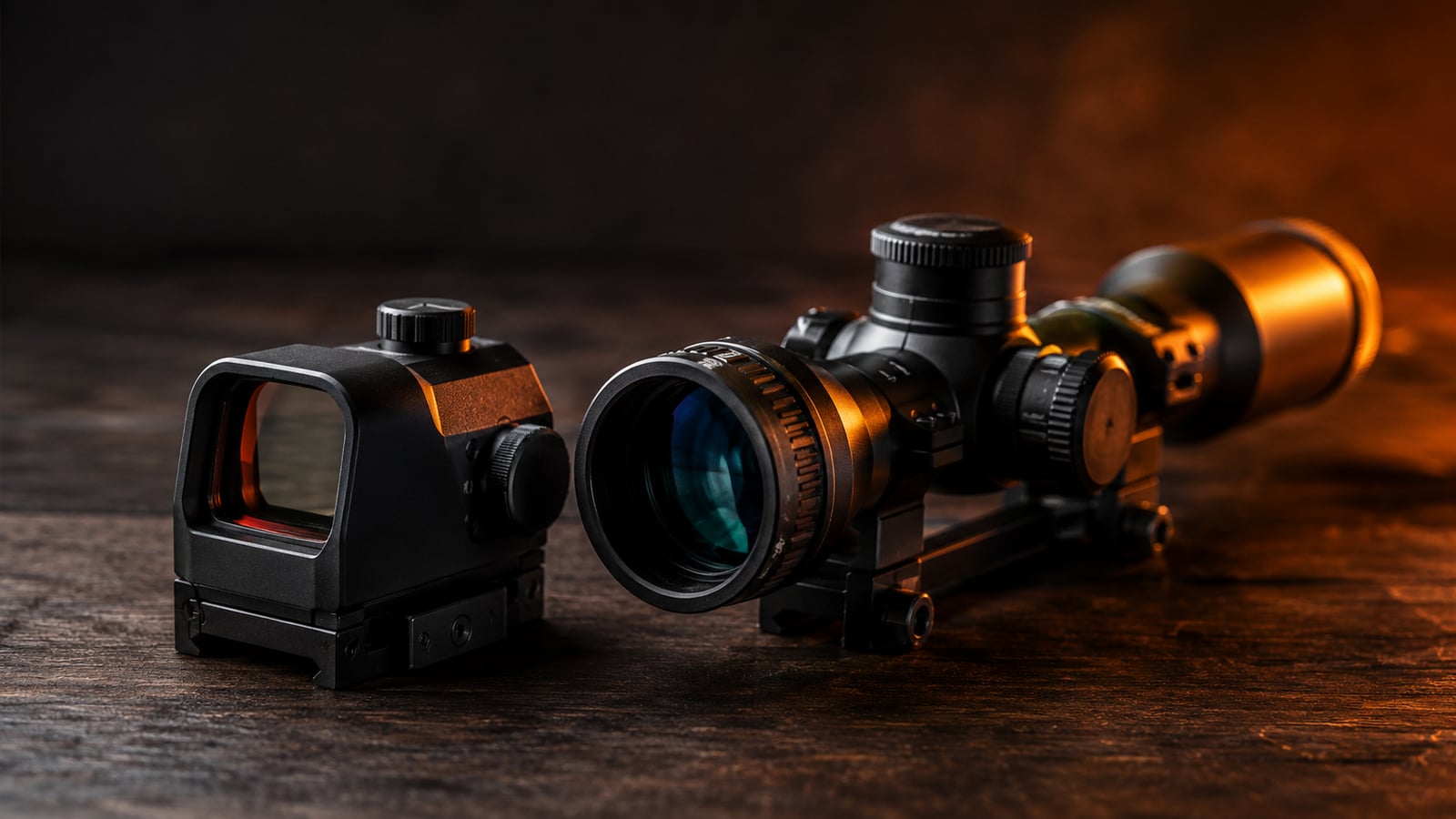
Precision, target acquisition speed, weight, price, and the right disciplines for each: the complete comparison between red dot, scope, and diopter iron sights to help you choose without a mistake.
Revolver simplicity versus semi-auto capacity and fast reloading: the full comparison to help you choose your first pistol based on your profile.
Everything you need to know about the mandatory medical certificate for sports shooting in France: validity, cost, doctor choice, and administrative pitfalls.
Accessibility, cost and gear: a full comparison of the 10m, 25m and 50m distances to help you choose your starting discipline based on your profile.
Cost, noise, club access and technical transfer: the complete comparison between air rifle and .22LR to get started right.
Ready to get back on the range after summer? This 4-week progressive plan helps you safely regain your precision and form, avoiding injuries and frustration.
From late admission to mixed events and eventually dedicated podiums, a look back at the long road women have traveled in Olympic shooting sport.
If you own or plan to own a firearm for sport shooting, an SIA account is no longer optional. It's the mandatory gateway for tracking your firearms, license, and authorizations.
Generic portraits of French shooters who have shaped the sport, between the Olympic path, club-level mentoring, and building up the discipline.
From the 1990 law to the SIA and the mandatory practice requirement: thirty years of reforms that transformed sport shooting in France.
How a group of passionate shooters invented a discipline in the 1970s that became global: the story of IPSC dynamic shooting.
From black powder to modern cartridges, a look back at the technological revolutions that shaped the calibers you use today at the range.
Dive into the world of historical black powder shooting: community, clubs, events, and gear faithfully replicated from the originals.
From the local shooting clubs of France to the modern structure of the FFTir, a century of history that has shaped your practice at the club.
From the first Athens 1896 Games to today's mixed events: the complete evolution of Olympic sport shooting, discipline by discipline.
Heat, shade-free stands, sun-baked long-range positions: here's how to drink, gear up, and manage your pace to stay sharp and safe.
Why a night that's too short sabotages your stability and clarity in competition, and how to protect your sleep before an important deadline.
Arthritis, failing eyesight, a fragile shoulder: here's how to gradually adapt your gear and posture to keep shooting without pain or frustration.
Shoulder, wrist, neck: MSDs lurk for every regular shooter. Here's how to spot the warning signs and build an effective prevention routine.
Stable blood sugar, dosed caffeine, smart snacks: what you eat before and during the match really changes your shooting stability.
Risky postures by discipline, targeted stretches, and equipment adjustments: how a regular shooter protects their back over the long run.
Why your final shots in a long session are almost always worse, and how to manage your effort so that changes.
Your heart moves your barrel more than you think: here's how cardiac physiology really affects your shooting precision.
The real budget for the 3 seasons required to move to Category B, and how to spread the cost so you don't end up broke.
Real decibel levels, the mechanism behind irreversible hearing loss, and the danger thresholds: what a gunshot really does to your ears on the range.
Dominant eye, eye/hand crossover, proper glasses: what your vision really changes in your accuracy and how to fix the real problems.
An honest picture of accessibility in shooting clubs: what actually works, what still needs building, and how to find your way through it.
From a hesitant first session at the club to a regional podium: the realistic story of progress built over several seasons and a rigorous shooting log.
Behind every training session, volunteers handle paperwork, facilities and competitions. Here's who they are and why their role matters.
Specialized forums, Facebook groups, dedicated apps: how to build a real network of shooters to progress faster and stay motivated over the long run.
The complete guide to setting up a solid club challenge: rules, refereeing, targets, live rankings, and the digital tools that change everything.
Discover the destinations that actually matter for competitive shooting, how to organize a trip abroad without an administrative headache, and what it really changes for your progress.
Passing on sport shooting as a family takes some preparation: real stories, logistics, and practical tips for a successful club outing.
License, ammunition, maintenance, travel: the itemized cost of a full year of sport shooting, from casual hobby to regular competition.
Trade shows, open days, friendly matches: a tour of the must-attend events for discovering new gear and meeting other shooters.
The concrete signs of a serious shooting club — coaching, real safety, atmosphere, transparency — and the warning signals you should never ignore.
The Range Officer oversees every IPSC or Steel Challenge stage: a volunteer role, verbal commands, and the quiet backbone of every club.
Portraits, club initiatives, and the evolution of licensed shooters: how gender mixity is concretely progressing on French shooting ranges.
Muzzle loading, loose powder, overloading, double charging: the risks specific to black powder shooting and how to manage them calmly.
Target identification, controlled lighting, disciplines practiced at the club: everything you need to know before a night shooting session.
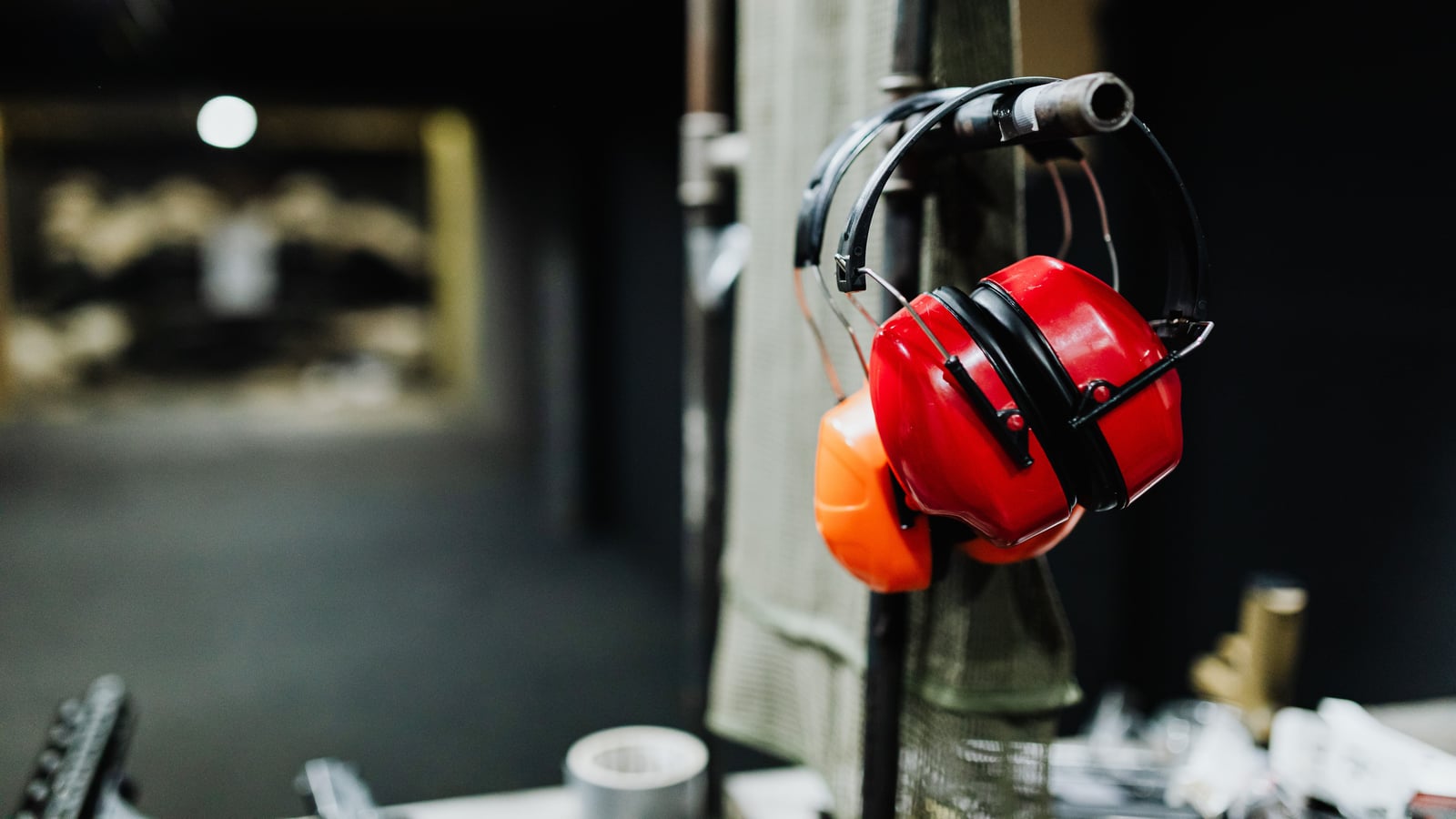
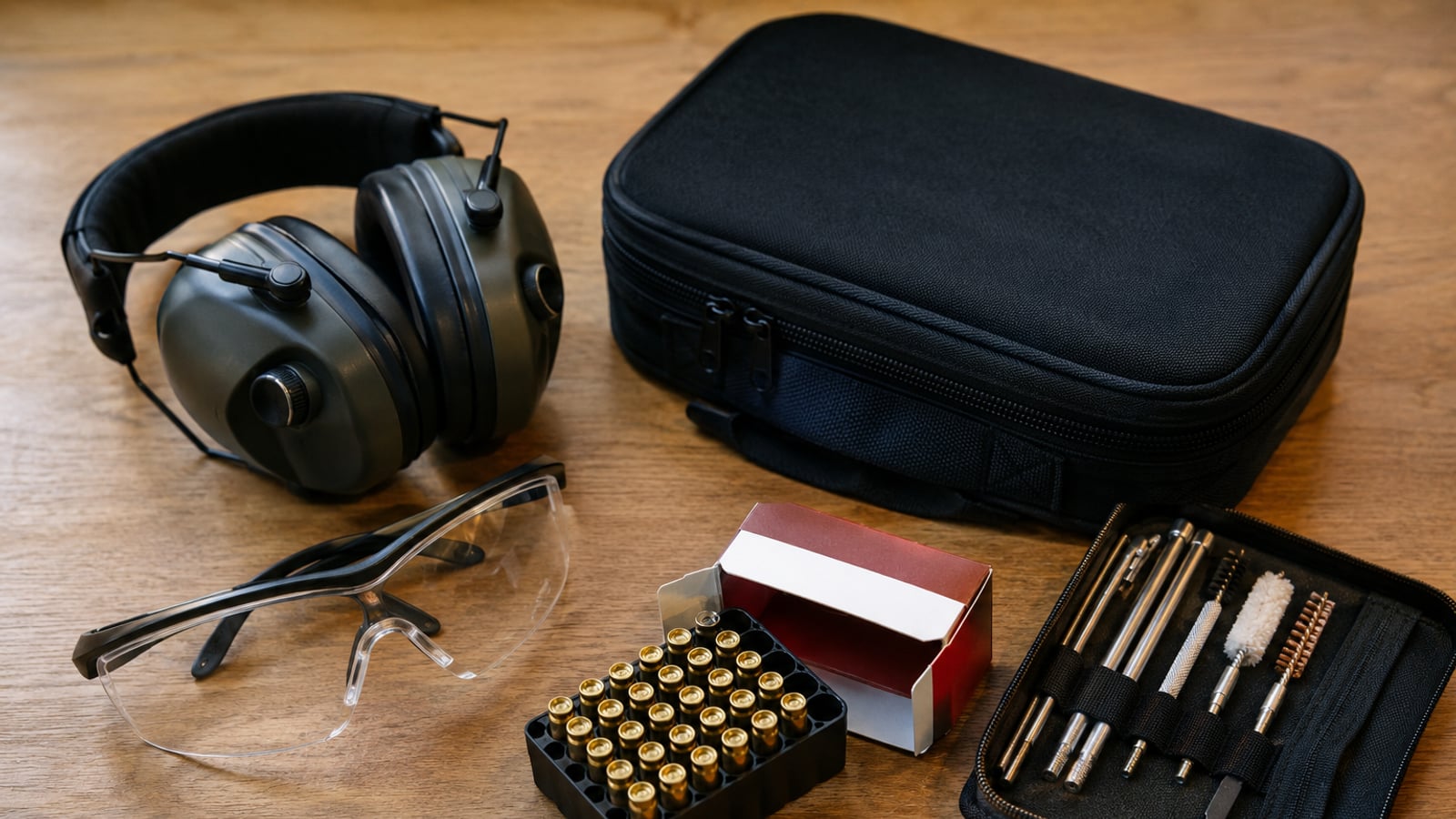
Hearing, eye, and clothing protection: the complete list of your shooting gear, ranked by priority and budget.
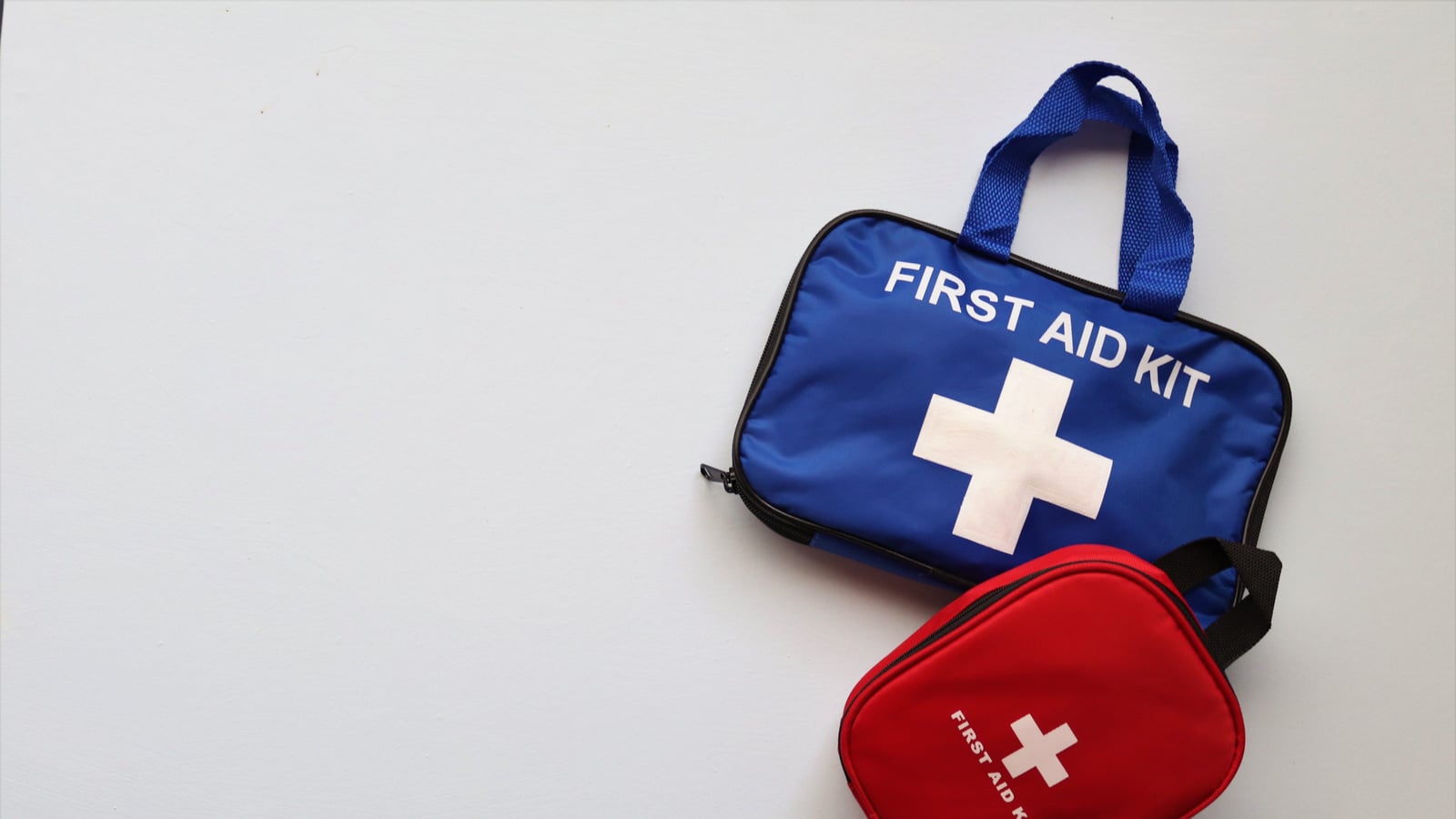
The right kit, life-saving steps, trained range officers: what every shooter should know before an incident happens, not after.
Separating the gun from its ammunition, making access physically impossible, and complementary education: the complete method for storing your guns without risk when children live under the same roof.
Securing, discretion, direct routes, intermediate stops: concrete good practices to transport your firearm without a nasty surprise.
The 4 universal safety rules of shooting sports explained in detail, and why their combination forms a safety net that never gives way all at once.
A malfunction is never trivial: here's the exact procedure to react without risk, whatever the firearm, and the mistakes that turn a harmless incident into an accident.
Wind, rain, wide-open or confined firing angles: safety rules don't transfer as-is from an indoor range to an outdoor firing line.
ISSF, FITASC: two worlds, two competition logics. Here's how they work and how an ambitious shooter can aim for the top level.
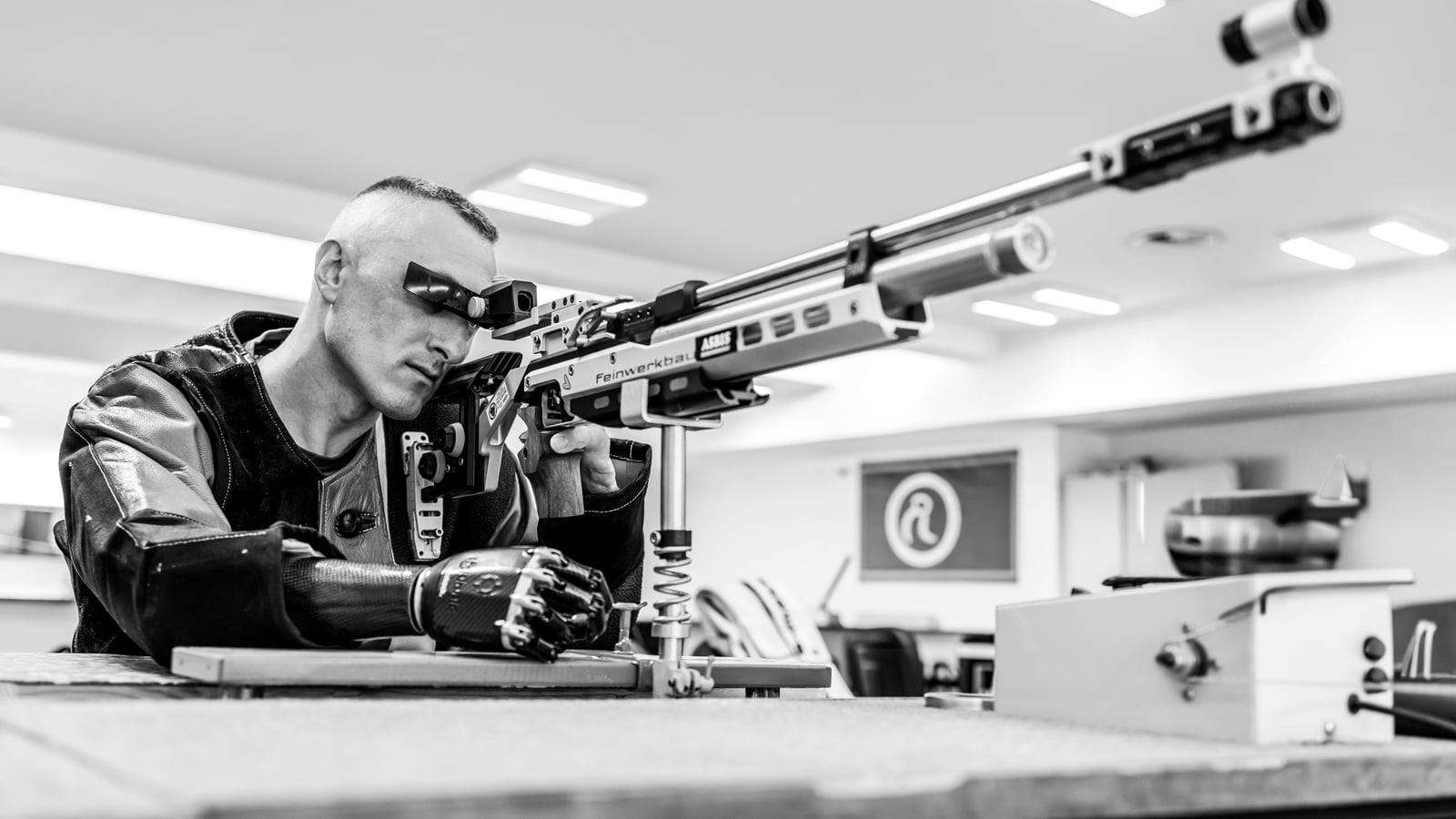
How disability-based sport classification works in para-shooting, which disciplines are open at competition level, and how to join the official circuit.
Talent spotting, youth development squads, the bridge to elite level: how FFTir clubs build the next generation of French sport shooting.
The final score only tells part of the story: here's how to read your real shooting stats to improve faster.
The realistic timeline of a sport shooter, from a club license to national competitions, and what actually accelerates progress.
The complete checklist for a stress-free trip to competition: weapon transport, lodging, backup gear, and timing management the day before and on the day itself.
Weight, caliber, optics: every discipline has its own equipment rules. Here's how to avoid getting turned away at equipment check before an event.
FFTir training, responsibilities on competition day, possible career progression: everything you need to know before becoming a shooting sports referee.
Understand the stages, score thresholds, and stress management needed to clear the qualification levels in shooting competition.
Why an outside eye changes everything in your progression, and how to find an FFTir-certified coach near you.
From your first club target to the national podium: the qualification pathway to the French Championships, step by step.
Two formats, two dynamics: how team spirit transforms the pressure of competitive shooting, and why combining both makes you a better shooter.
Departmental, regional, national: structure your competitive shooting season and plan your preparation so you show up ready for every deadline.
A concrete guide to registering for your first shooting competition: calendars, entry forms, categories, and how to approach the big day without stress.
Excellence, Honneur, averages: finally decode the FFTir ranking system and know exactly where you stand and how to progress.
Your club is closing or you want to switch: here's what really happens to your license, your category B authorization, and your season count.
FINIADA, the registry checked every time you buy a firearm: grounds for listing, checks performed, and update delays after a court decision.
Moving house and firearm ownership: what you need to update, notify, and plan ahead for so you stay compliant without any break in your practice.
B2 record, FINIADA, criminal background: what actually blocks a Category B firearm acquisition authorization, and how to challenge a refusal.
Recommendation or legal obligation: what your weapon category really requires in terms of storage, and what the authorities can actually check.
Minimum age by discipline, parental authorization, mandatory supervision: everything you need to know before enrolling a minor in shooting sports.
Theft or loss of a firearm: legal deadline, authorities to contact, impact on your license and insurance — everything you need to do, in order.
Medical certificate, paperwork to provide, deadlines: what to check every season so you don't lose your seniority as a license holder.
European firearms pass, transit authorization, customs: the complete administrative journey for traveling with your competition firearm.
EU or non-EU, permits, importing gunsmith: the real process for legally bringing a firearm home from abroad.
A relative passes away and leaves you a firearm: here are the mandatory steps, the real deadlines, and your options if you don't have the required licenses.
Selling a firearm between private individuals isn't something to improvise: authorizations, declarations, the gunsmith's role - everything you need to lock down before the transaction.
The A, B, C, D classification governs your entire access to sport shooting: here's what each category actually allows, and what it forbids you from doing.
FFTir license or hunting permit: two worlds, two distinct administrative regimes, and frequent traps of confusion you should know before getting into either.
Disassembly, out of sight, direct route: what French law really requires when you move a firearm between home, club and gunsmith.
Chicken, pig, turkey, ram: the 4 FFTir animal silhouettes, their distances, firing order and allowed gear, explained in detail.
Fun shoot and plinking offer casual shooting without ranking or pressure, the ideal complement to more serious competitive preparation.
Running Target 10m and 50m: the animal silhouette crosses the firing point in 2 to 5 seconds, leaving no room for hesitation.
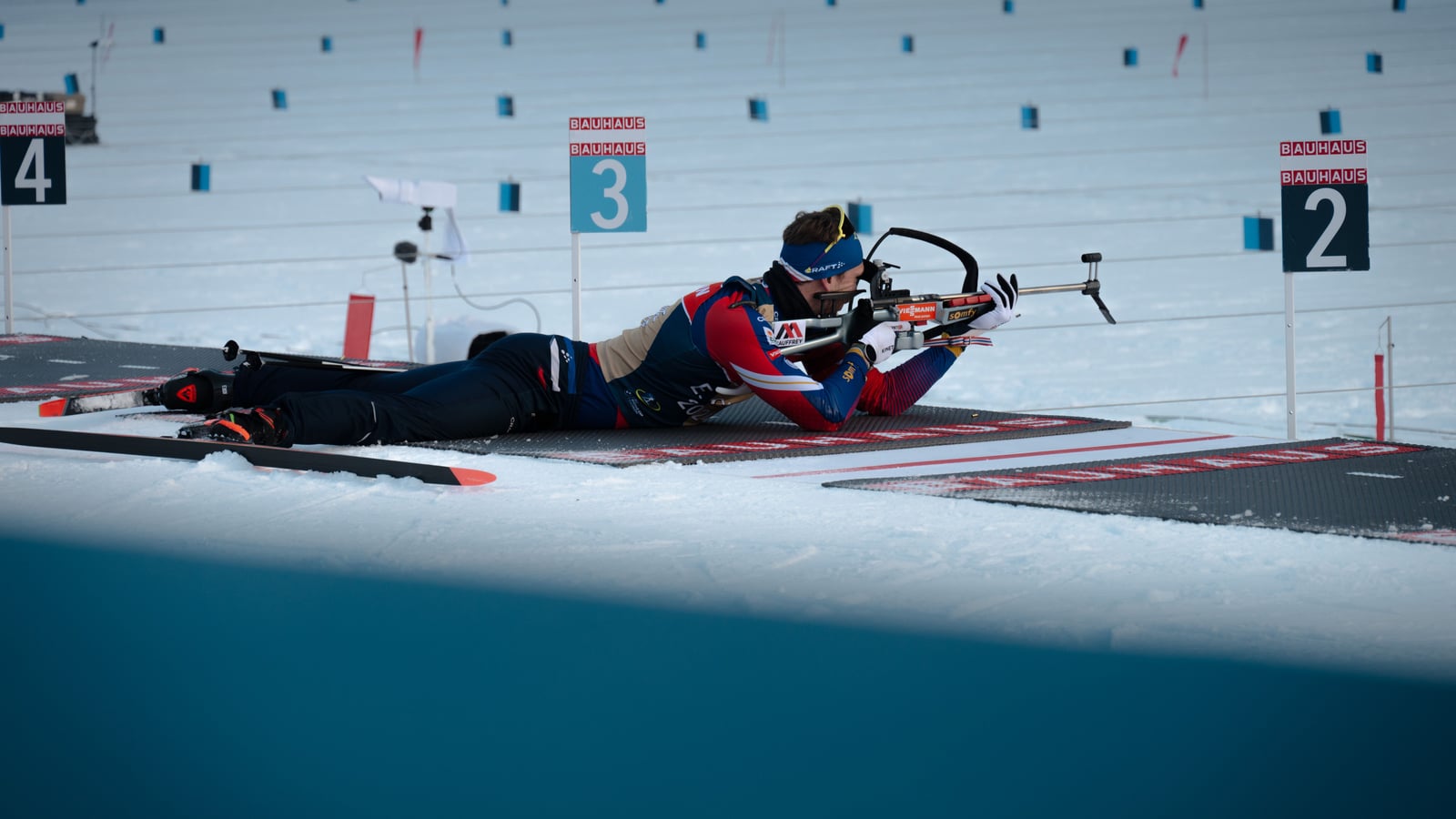
How do you manage a heart rate of 180 beats per minute and still shoot straight? A technical deep dive into biathlon, where cross-country skiing meets extreme precision.
A complete overview of the 15 Olympic shooting events: rifle, pistol, shotgun, history, and the qualification format for the Games.
Teaching progression, adapted equipment, federation-standard supervision: how a shooting school safely introduces the youngest shooters, from the first contact to their license.
Sport classification, adapted equipment, allowed positions: everything you need to know about para-shooting in official FFTir competition.
PRS or TLD: two visions of long-range shooting that share neither the same gear, nor the same format, nor the same philosophy of progression.
Two acronyms, one family of dynamic shooting — but scoring rules, divisions, and a geography that change everything for a shooter outside the US.
Airgun field target: courses with unknown distances, millimeter-precise kill zones, and low-velocity trajectory calculation for surgical precision.
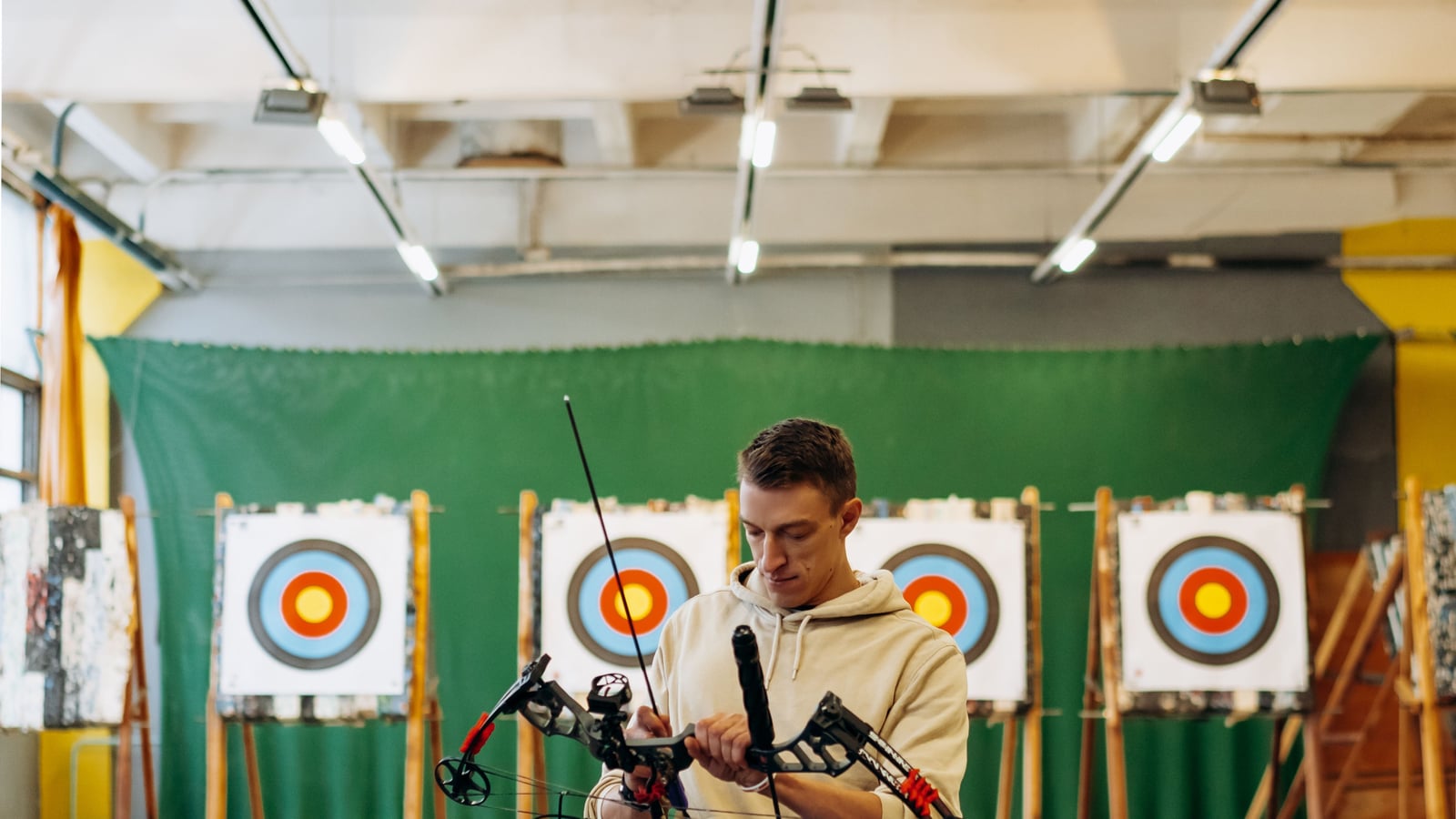
Focus, breathing, mental management: why archery so naturally complements the practice of the sport shooter.
Match crossbow shooting, a demanding precision discipline at 10 and 30 meters, still too little known among French sport shooters.
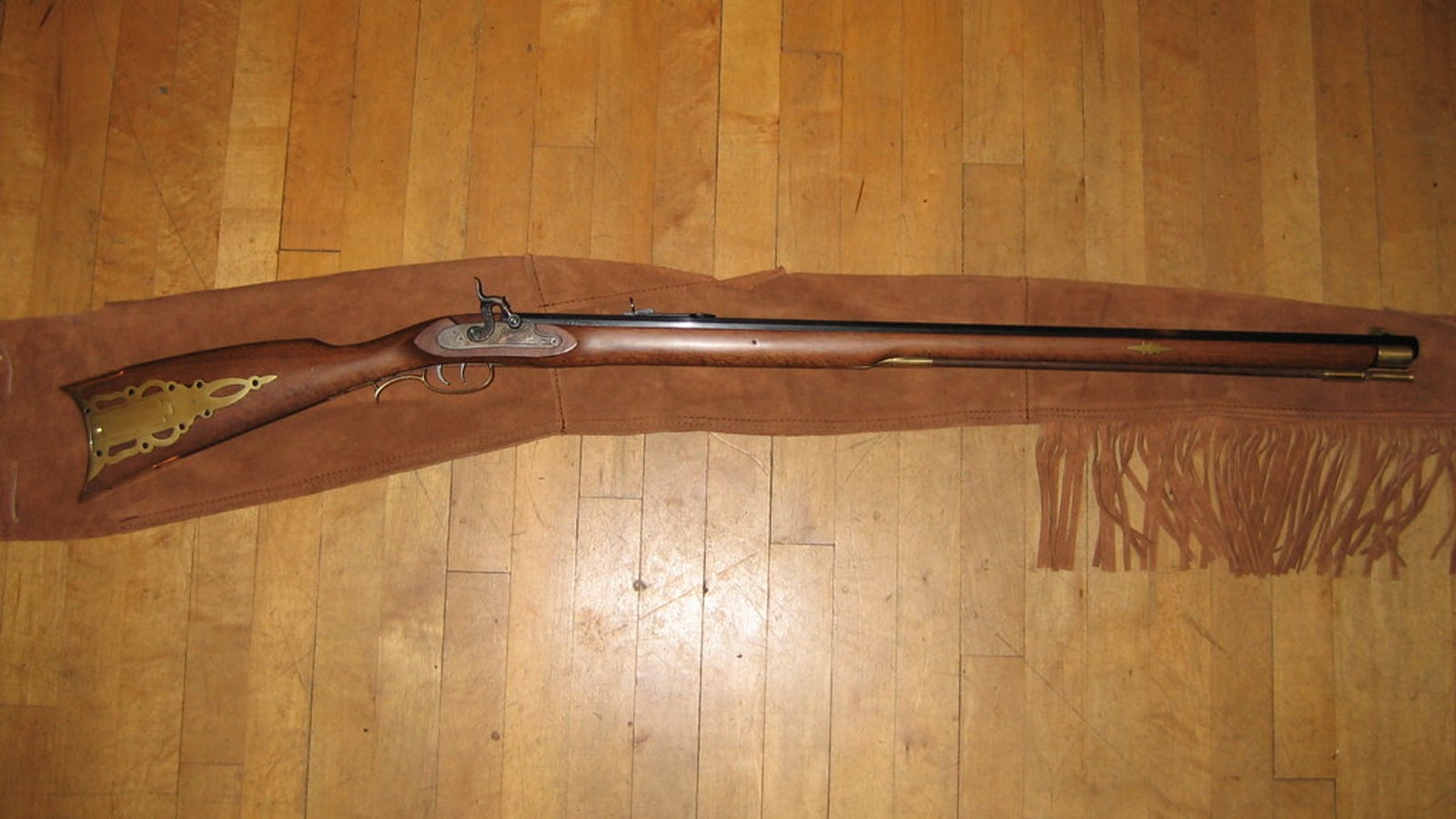
Muzzleloading, powder flask, percussion caps: everything you need to know before you get into black powder shooting safely.
Cowboy Action Shooting blends revolver, lever-action rifle and shotgun in a costumed competition on steel targets, mixing technical skill with a playful spirit.
Knocking down animal-shaped silhouettes at increasing distances: the Mexican discipline that truly tests your precision, from 25m to long-range shooting.
Millimeter-tight groups, an ultra-rigid rail, adjustments to the tenth: benchrest pushes shooting precision to its most extreme point.
F-Open, F-TR, allowed equipment and distances up to 1000m+: everything you need to know to understand and get started in F-Class.
Eight stages, pure time scoring on steel targets: discover Steel Challenge and what really sets it apart from classic USPSA/IPSC.
A compact format of the hunting course, varied trajectories, affordable gear: why compak sporting remains the best entry point into clay target shooting.
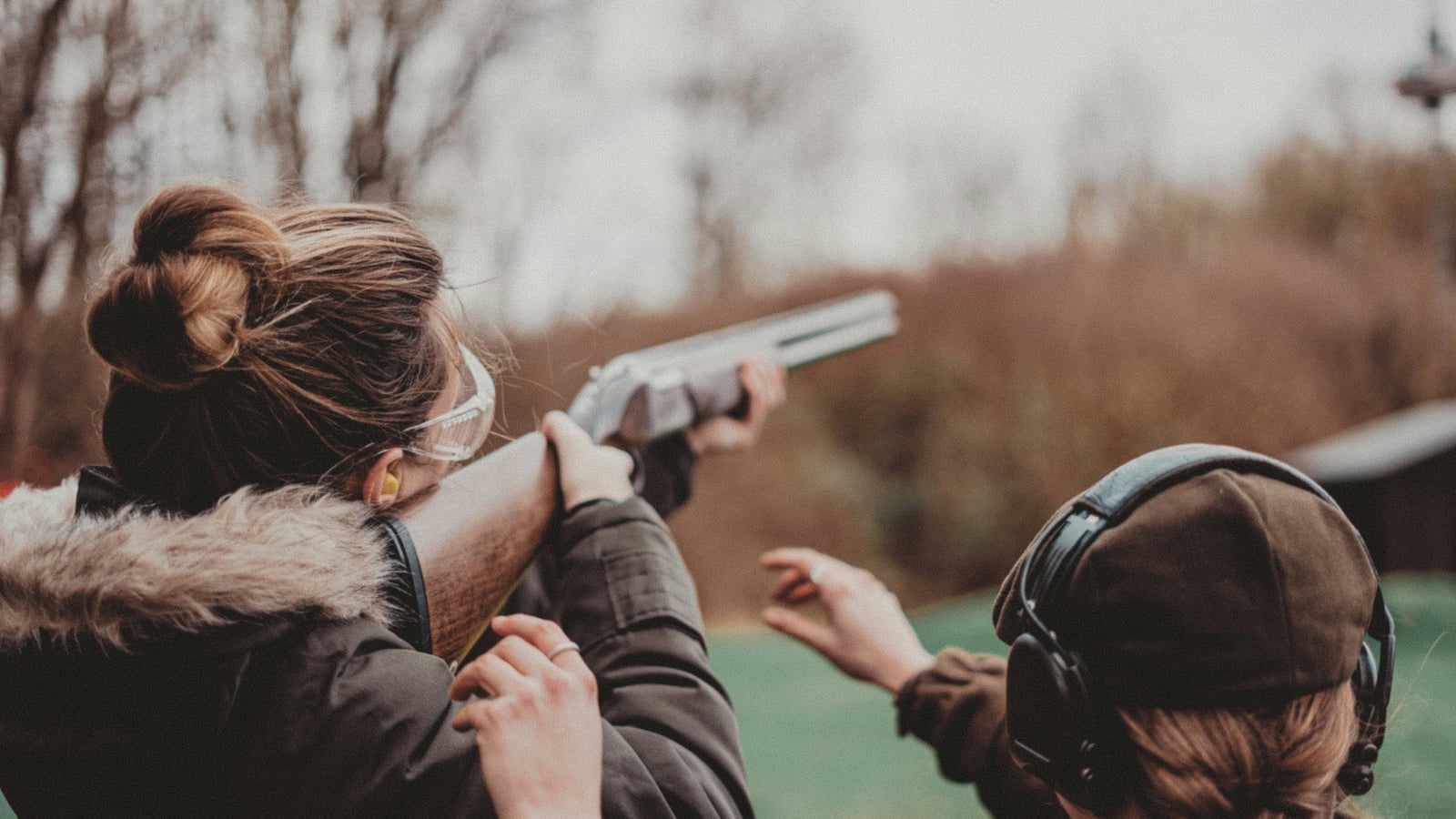
Two clays, a split second to decide: a deep dive into the most reflex-demanding discipline in Olympic clay target shooting.
Endless trajectories, real-world terrain, specific gear: everything you need to know before you head out on a sporting clays course.
300m rifle shooting stays under the radar in France: discover its demanding ballistics, its rare ranges, and the gear you actually need.
Prone, kneeling, standing: the three regulation positions of the 3x40 broken down, with their own difficulties and the gear common to all three.
Skeet explained station by station: crossing trajectories, doubles, timing and gear to progress fast on this demanding shooting layout.
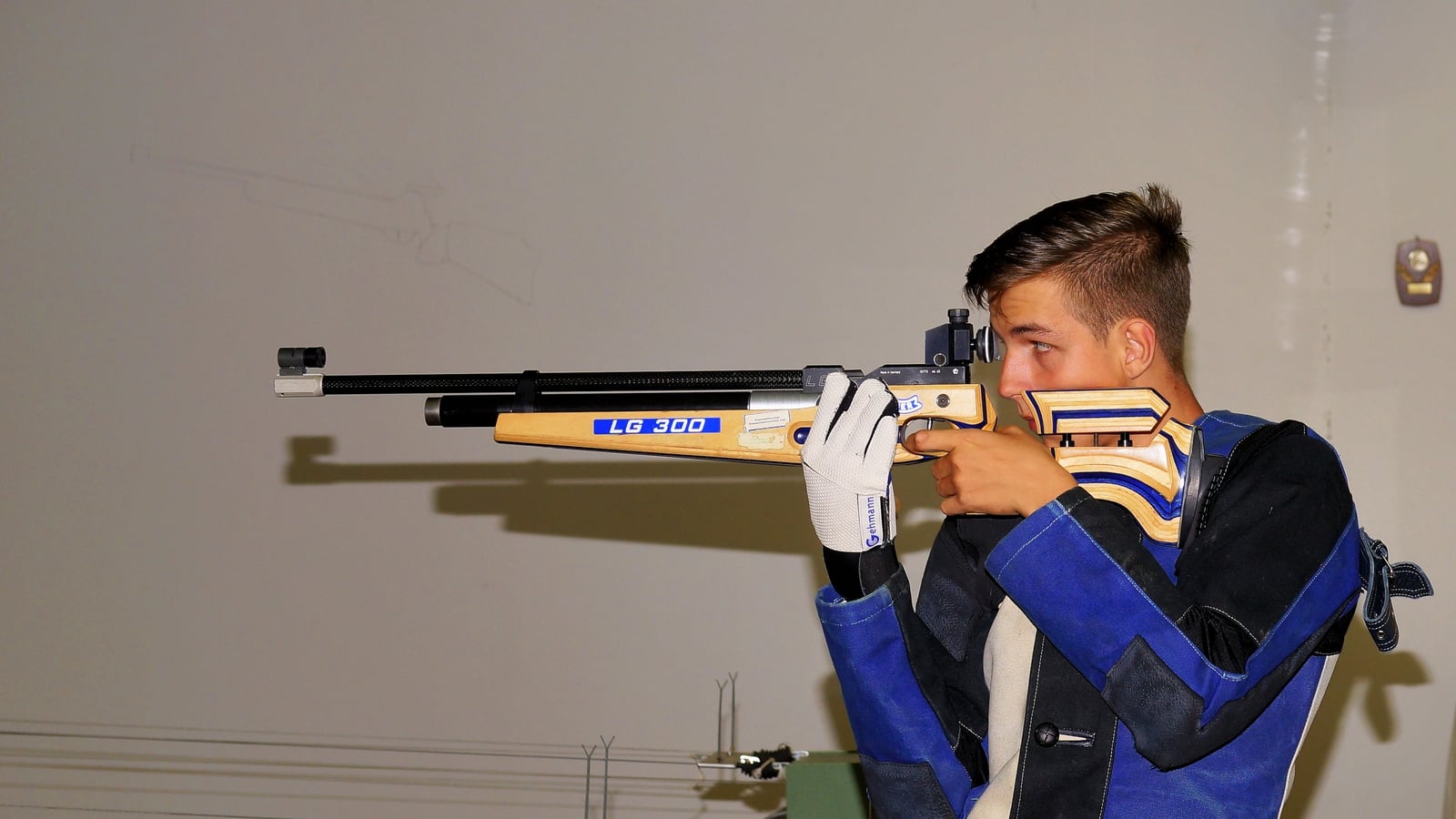
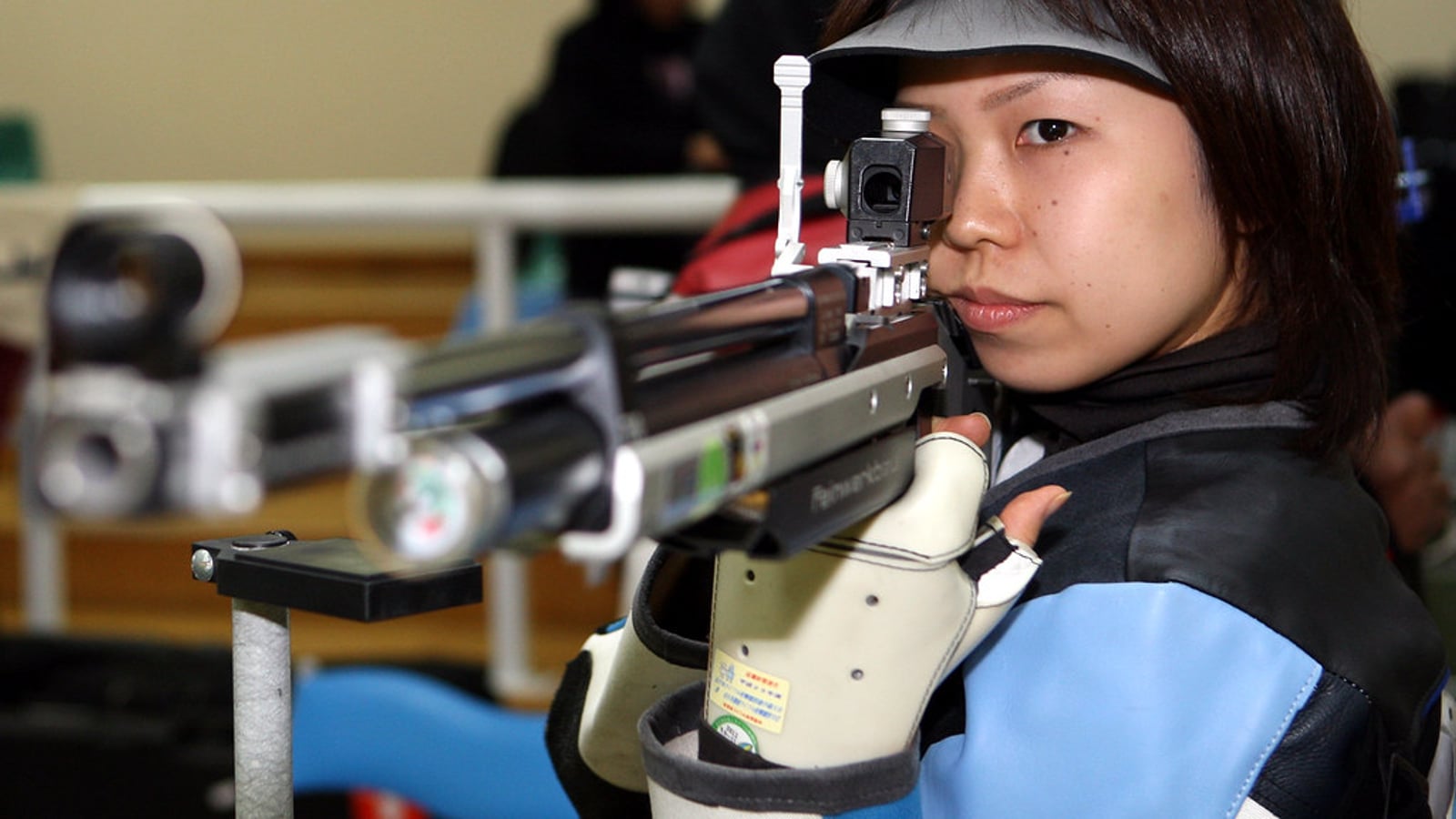
Standing position, regulation jacket and glove, decimal scoring: everything you need to know to start 10m air rifle with confidence.
Speed and precision in the same series: here's how the Combined Event shakes up everything you know as a Standard Pistol 25m shooter.
Format, gear, and mindset in 50m rifle prone: why this demanding discipline rewards patience more than raw talent.
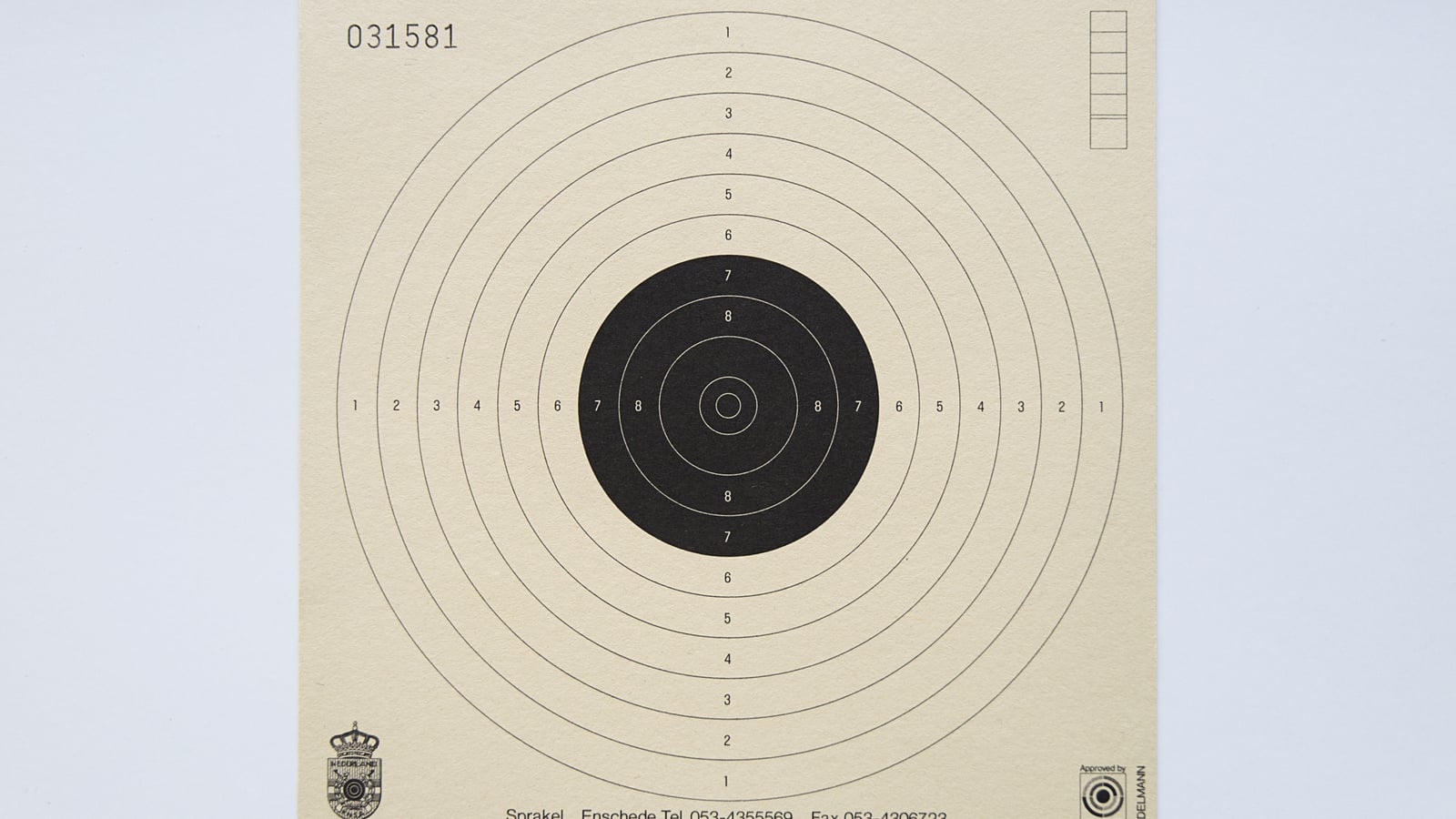
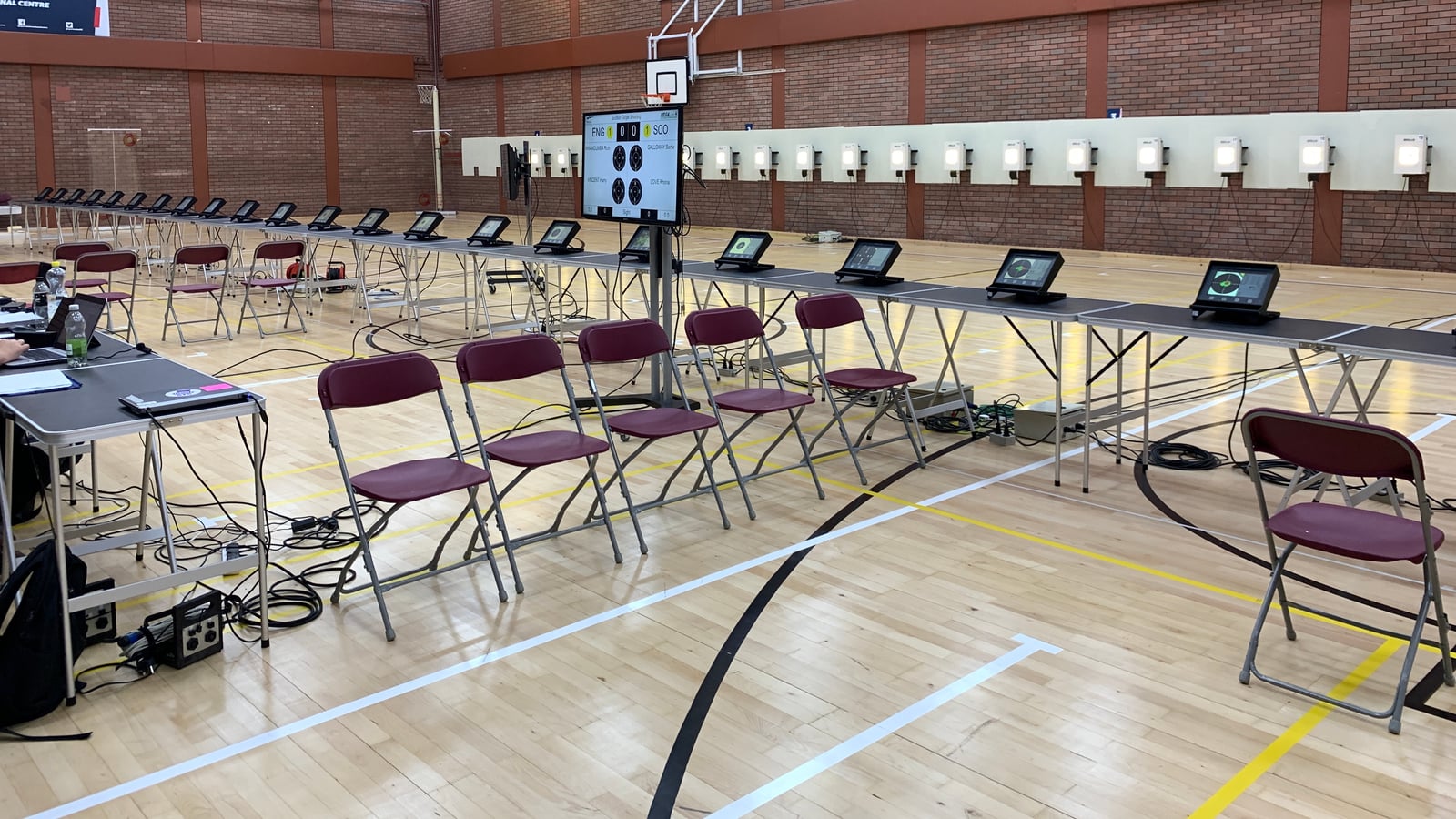
ISSF rules, approved equipment, and how a match unfolds: everything you need to know about 10m pistol, the classic gateway into precision shooting.
Four seconds for five shots on five targets: a deep dive into the most nerve-wracking discipline of Olympic shooting, between drawing the gun up, the trigger, and racing the clock.
Four timed series, an accuracy that forgives nothing: the 25m Standard Pistol remains the most complete event for judging a shooter's true level.
Understand ammunition shortage cycles and set up a smart stock rotation so you never miss a training session.
Buckshot, birdshot, or slug for your shotgun: we break down range, spread, and allowed use per discipline so you don't pick the wrong load.
The ballistic coefficient often matters more than caliber for your long-range precision: here's how to really understand it and use it.
Humidity, heat, UV: poorly stored ammunition loses reliability long before the date you'd expect. Here's how to keep it in good condition.
Lead or steel for trap shooting: regulations, shot pattern, barrel wear, and budget broken down so you can choose without getting it wrong.
Rimfire or centerfire priming: what it really changes for your budget, your accuracy, and the choice between casual practice and serious competition.
12-gauge or 20-gauge for trap shooting: shot pattern, recoil, weight, and build — we compare everything to help you choose your shotgun.
Tight tolerances, calibrated powder charges, optimized bullets: let's look at what match-grade ammo really changes on your target.
Below Mach 1, without the supersonic crack: what subsonic ammunition actually changes for a sport shooter's day-to-day.
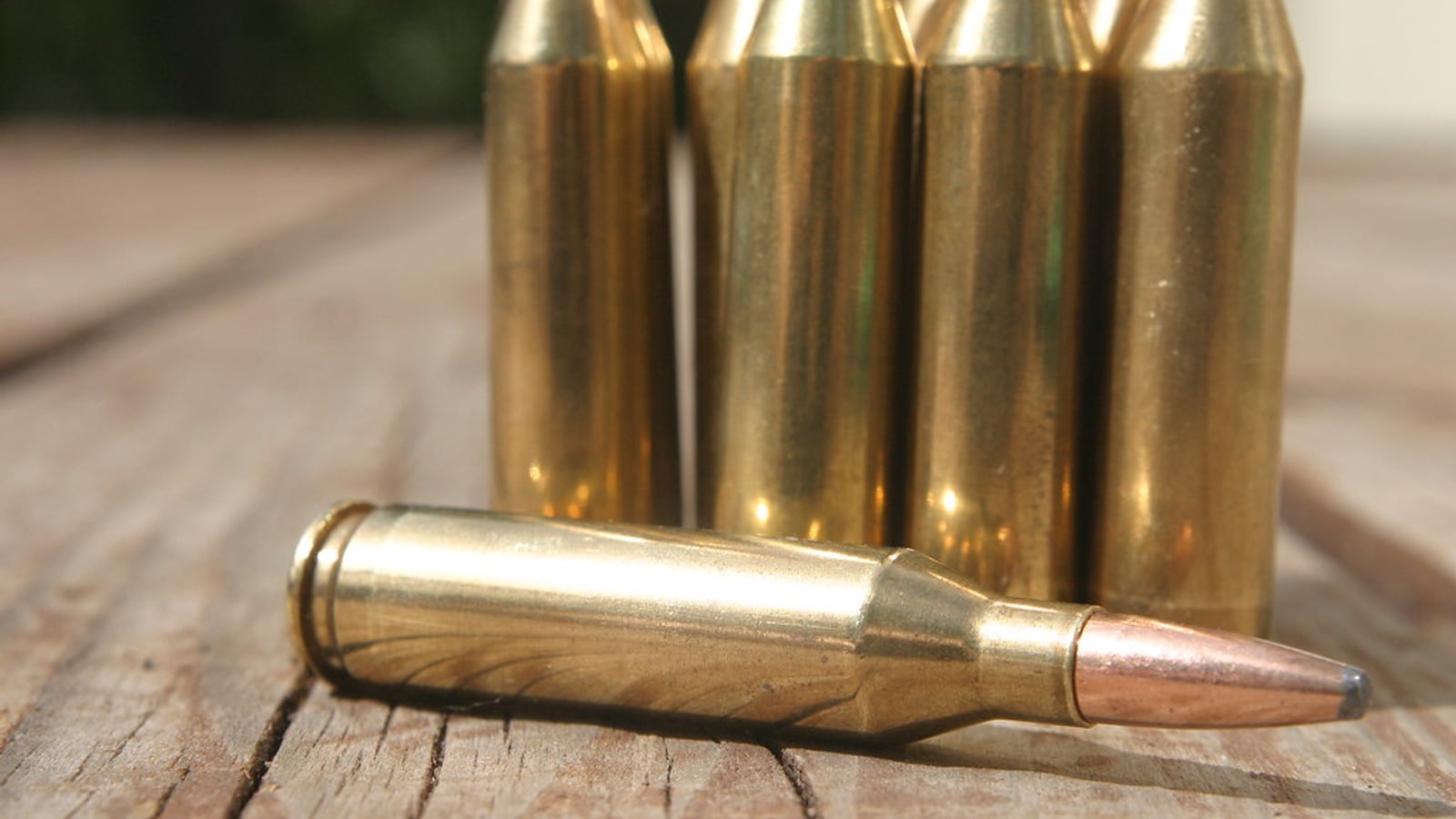
223 or 308: find out which of these two calibers really fits your practice, your budget, and your favorite shooting distances.
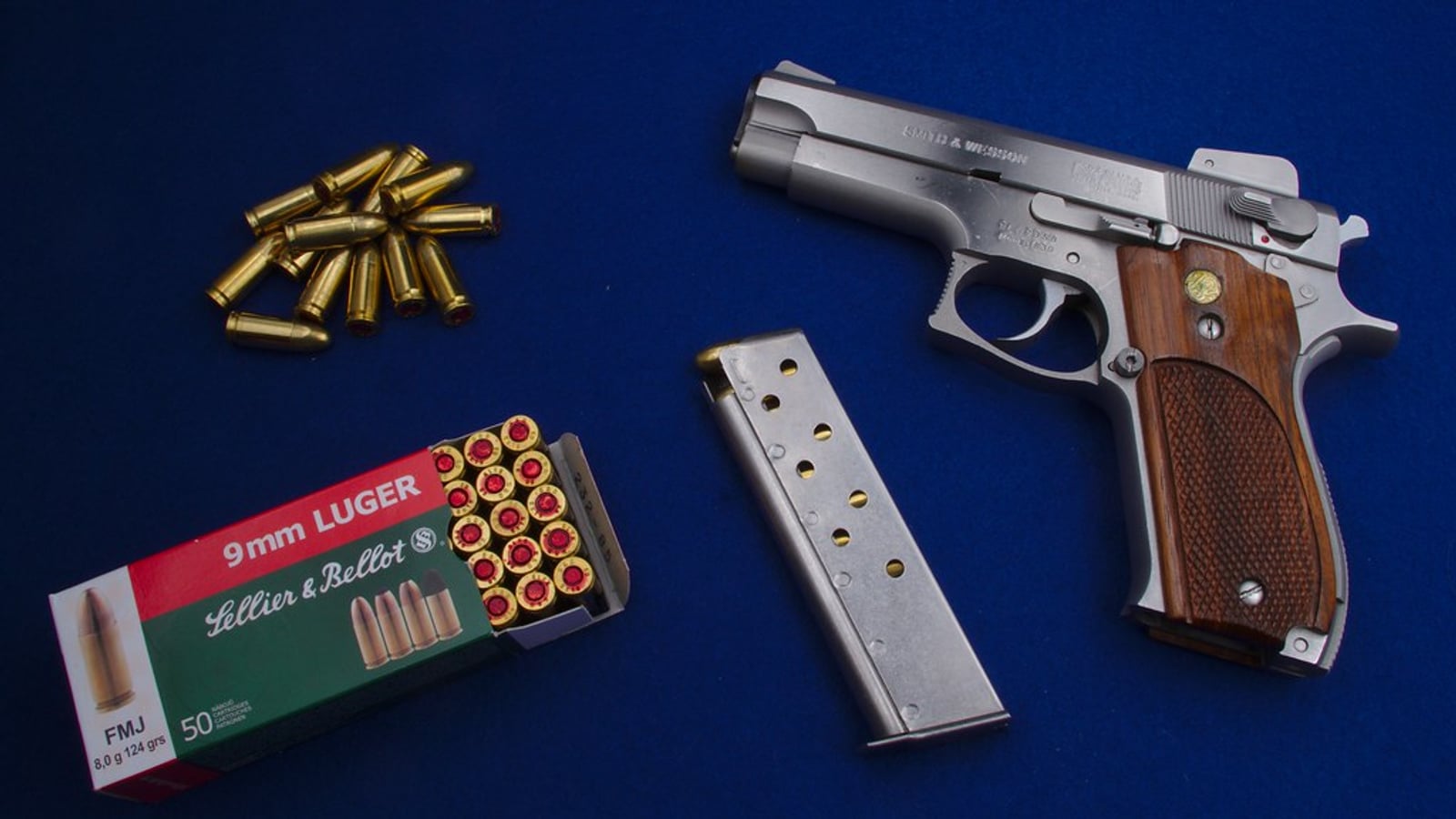
9mm, .40 S&W, or .45 ACP: recoil, cost, availability, and fit by discipline to help you pick the right caliber for your shooting profile.
Reloading ammunition in France: what the law actually says, the gear you need, and whether the promised savings hold up against the real budget.
Understand why counterproductive self-criticism happens, rebuild an inner dialogue that actually helps, and use your shooting log to objectively track your real progress.
Breathing, attentional anchoring, managing intrusive thoughts: the concrete method for staying present in the shot, round after round, without magic or jargon.
Attention, optimal arousal, biofeedback: what sport psychology really says about performance in precision shooting.
Why your concentration collapses halfway through a competition and how to train it so you stay sharp until the last string.
Frozen routine, fuzzy feedback, technical fatigue: the real causes of a plateau and the shooting-log audit method to restart your progression.
The SMART method applied to sport shooting: turn vague wishes into measurable, achievable score goals.
Why a bad string doesn't announce a bad session, and how to get back on solid ground between two trips to the firing line.
Breathing, cognitive reframing, telling paralyzing nerves apart from useful excitement: practical techniques for shooting straight despite competition pressure.
Mentally rehearsing your shooting sequence strengthens the same circuits as real practice: full method and progressive drills.
Your most stable shooting window lasts only a few seconds: the moment when neither your pulse nor your breathing is moving the barrel.
Sleep, warm-up, visualization: build a stable pre-competition routine that lowers stress and locks in your performance on match day.
Master the split time between two shots through muscular release, from 25m rapid fire to dynamic shooting on multiple targets.
Vertical, horizontal, star-shaped: every dispersion pattern points to a specific cause. Learn to read your shot groups like a diagnosis.
The first shot from a cold barrel often lands somewhere different from the ones that follow: here's why this offset exists and how to document it seriously.
Speed and precision aren't opposites: here's how to build a personal shooting rhythm suited to your discipline, without ever sacrificing your group.
Breaking down the motion, positioning your magazine pouches, and timed drills: the complete method for shaving off those precious tenths of a second.
Real recoil or psychological anticipation? Understand the difference, fix your posture, and desensitize your flinch for good.
The eyes move before the arms: the key to running through targets fast without sacrificing the precision of every shot.
Isosceles or Weaver: a complete biomechanical comparison of the two pistol shooting stances to help you pick the one that truly fits you.
Front sight, aperture, red dot or scope: where should your eye actually focus at the moment of the shot to align your sight picture correctly?
Why training your weak hand transforms your muscular symmetry, your versatility, and sometimes even your ranking in IPSC competition.
Vegetation, mirage, flags: learn to read the wind, calculate its value, and correct in mils or MOA without relying solely on an instrument.
Parallax, co-witness height, and brightness intensity: the three settings that turn a red dot into a truly precise tool.
The complete method for zeroing your scope: turrets, reference distance, confirmation group, and mistakes to avoid.
Calling — predicting the impact before you even look at the target — comes from the sensation your body gives you at the exact moment the shot breaks.
A structured 4-week program to improve at dry fire training at home: sight alignment, trigger control, transitions — 15 minutes a day max.
The posture technique Olympic shooters relentlessly refine: find your natural point of aim to hit true without forcing it.
The shot breaks, but your shooting process isn't over: what happens in the second right after ignition often decides your real accuracy.
Precision pistol, dynamic shooting, or rifle: grip changes everything. Here are the real differences and the mistakes that ruin your groups.
Progressive pressure, the surprise break, targeted dry-fire drills: the complete method to tighten your groups for good.
Fouling, cleaning from the breech, barrel wear: why this single part determines your entire shooting accuracy.
Black powder residue and corrosion act within a few hours: here's the express procedure to do right at the range to save your gun.
End of season, range closed for winter: here's the complete protocol for storing your firearm without any nasty surprises when you come back.
A clear chart by firearm type and shooting volume, plus the signs that should push you to clean before your next session, no matter what the calendar says.
Lenses, weatherproofing, zero after transport, red dot battery: the maintenance routine that protects your optic and your accuracy.
Relative humidity, desiccants, preventive oiling, and regular checks: the complete method for storing a firearm for months without a trace of rust.
Black powder residue attacks metal within hours: the soapy water routine followed by immediate oiling that prevents rust.
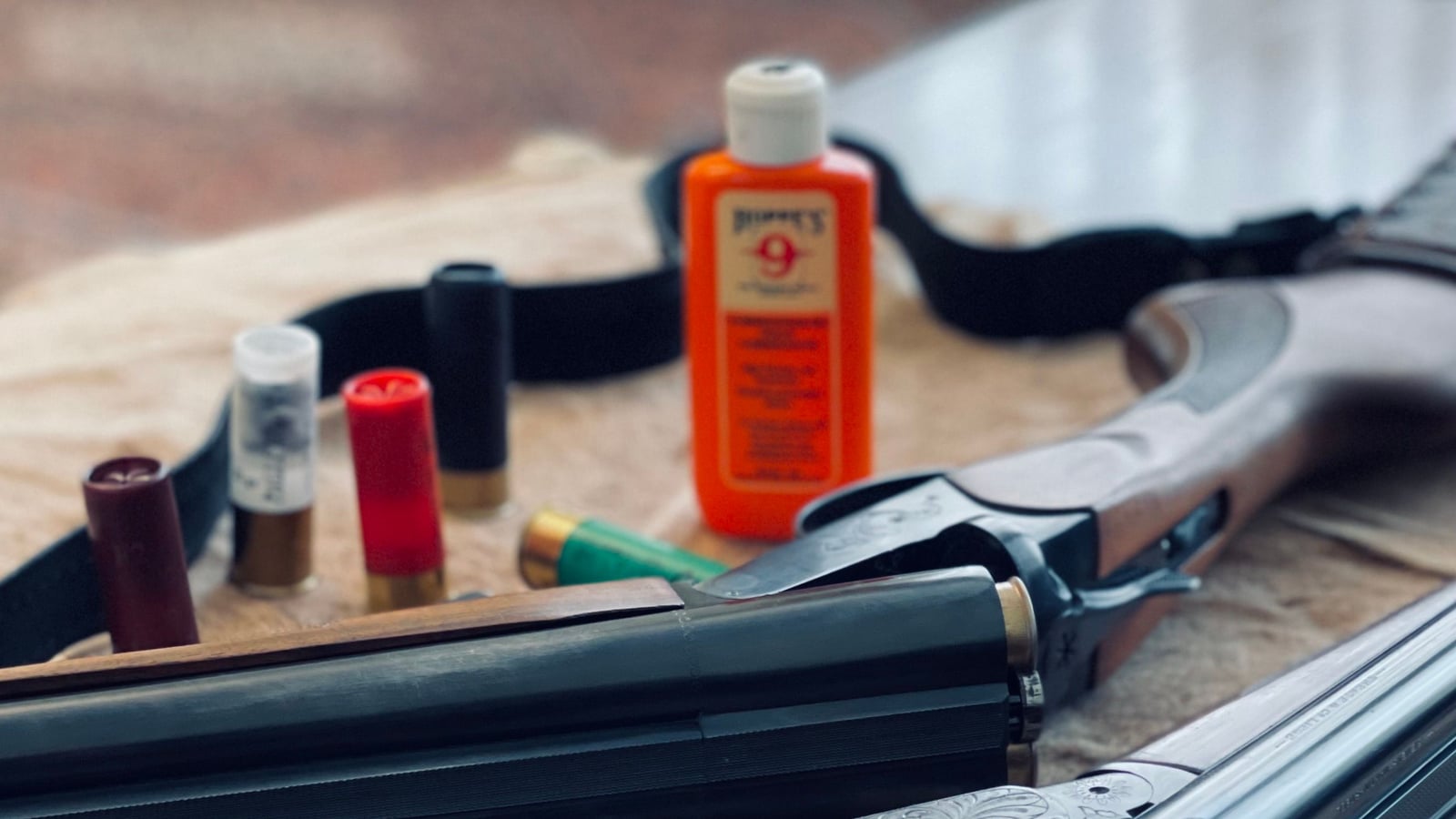
Solvent, protective oil, lubricating oil: three products, three jobs. Here's how to choose and use them without damaging your firearm.
Fouling, chamber, ejection mechanism: why the smoothbore shotgun demands systematic cleaning after every round of clays.
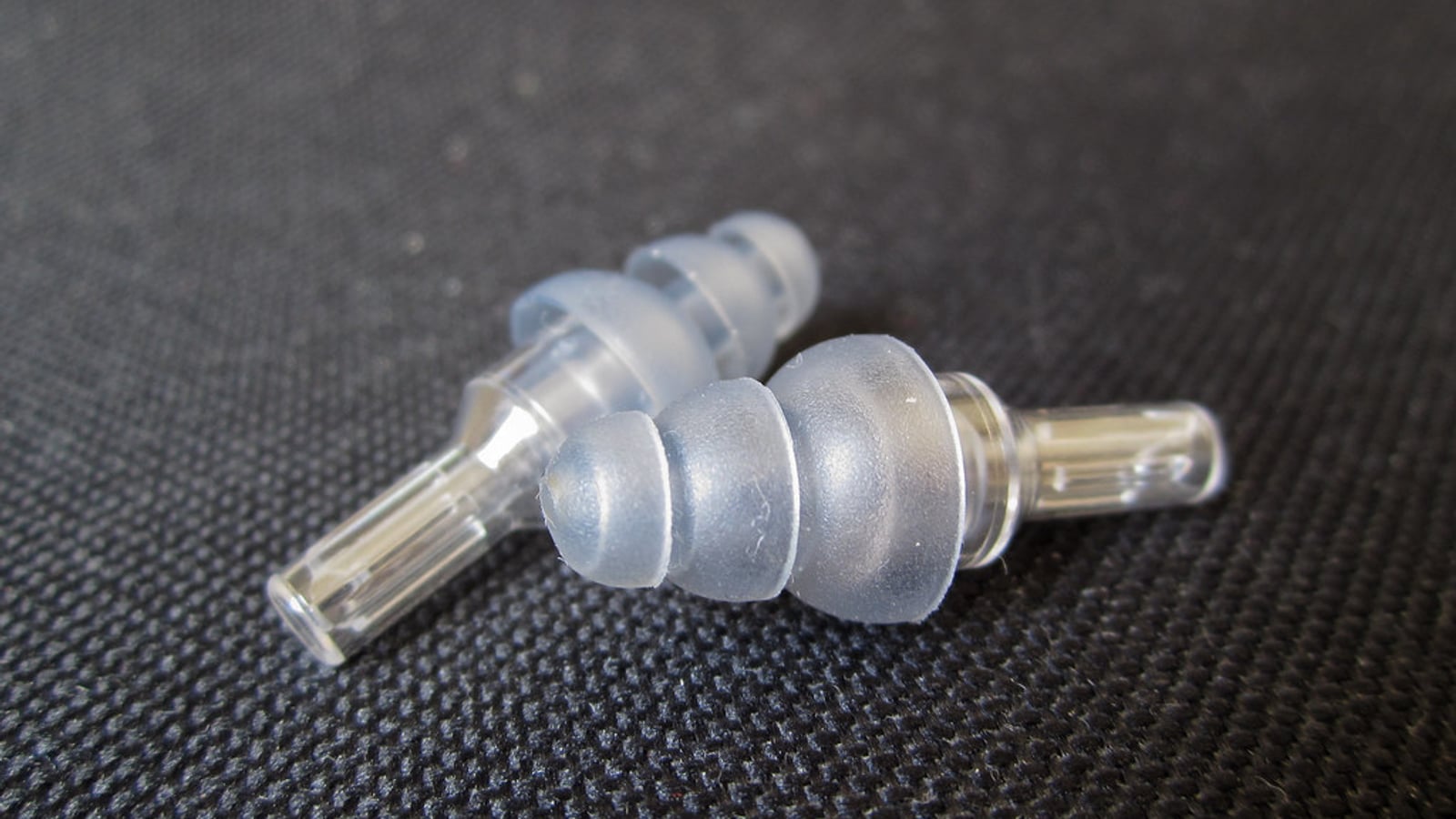
Between disposable foam and electronic earmuffs, custom earplugs occupy a place of their own: comfort, protection and discretion, as long as you choose well.
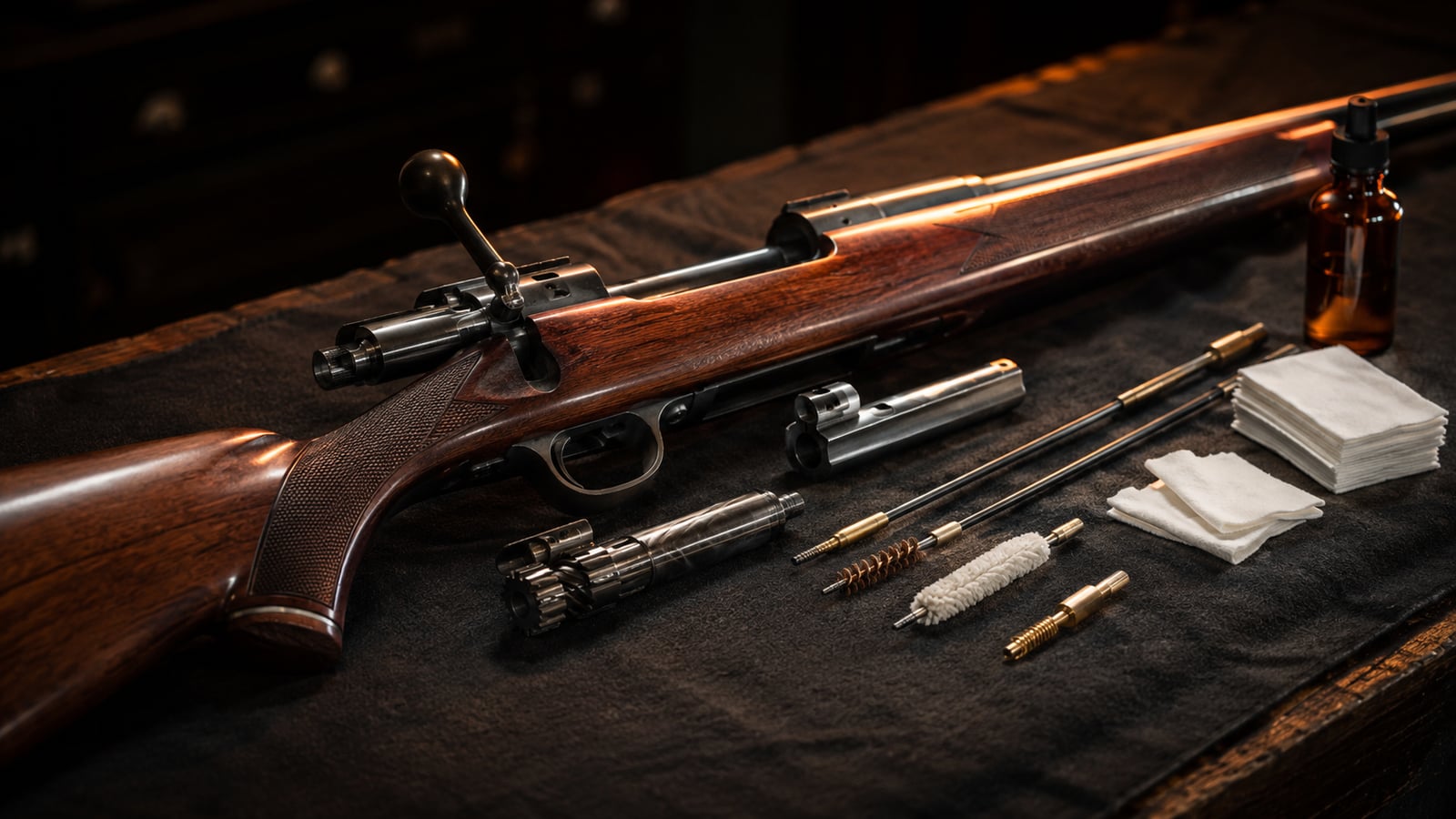
Partial disassembly, breech-to-muzzle bore cleaning, bolt and firing pin spring: the complete procedure to keep your bolt-action rifle reliable.
Rod, brushes, patches, solvent, oil: what actually matters in a cleaning kit, and why multi-caliber kits have their limits.
Bipod or bean bag: which one really stabilizes your precision shooting, depending on terrain, position, and budget? The complete comparison.
Soft case or hard case: what really matters for your rifle's safety in the car, on a plane, and at competitions.
Cold, splinters, grip: shooting gloves help in some disciplines and hurt trigger feel in others.
Category B or C, safe or gun cabinet: here's what French law actually requires for storing your firearms.
Mixed calibers, cracked boxes, ammo forgotten for three years in a damp garage: here's how to get your stock properly organized.
Between the general public's fantasy and the real use in 3-gun or supervised night shooting, the weapon-mounted light deserves to have fact separated from marketing.
The right number of magazines depends on your discipline, not your wishes: here's how to work out yours and make it last.
Rigid double belt, holster, and magazine pouches: everything you need to know before investing in an IPSC competition belt.
Instant feedback from steel or millimeter-precise accuracy on paper? The real contest is your training goal, not your ego.
Measuring your ammo's muzzle velocity isn't just a gadget for enthusiasts: it's the tool that keeps you within the law and fine-tunes your handloads.
The shot timer turns every shot into hard data: split times, draw time, and a genuinely objective measure of your real progress in dynamic shooting.
Prone or seated position, terrain, stability, adjustable height: how to decide between a bipod and a tripod depending on your PRS or long-range practice.
Disassembled transport, out of sight, hard case or soft bag: what the law actually requires and how to choose without getting it wrong.
Casing fragments, shot pellets, target fragments: why shooting glasses are never optional on a firing line.
Kydex or leather, belt or thigh: how to pick a holster that fits your practice, without sacrificing safety.
NRR, SNR, amplification, price, batteries: everything you need to know before buying electronic earmuffs for the range.
Iron sights, red dot, or scope: the right sight depends on your discipline, not on trends. A comparison by use case with realistic price ranges.
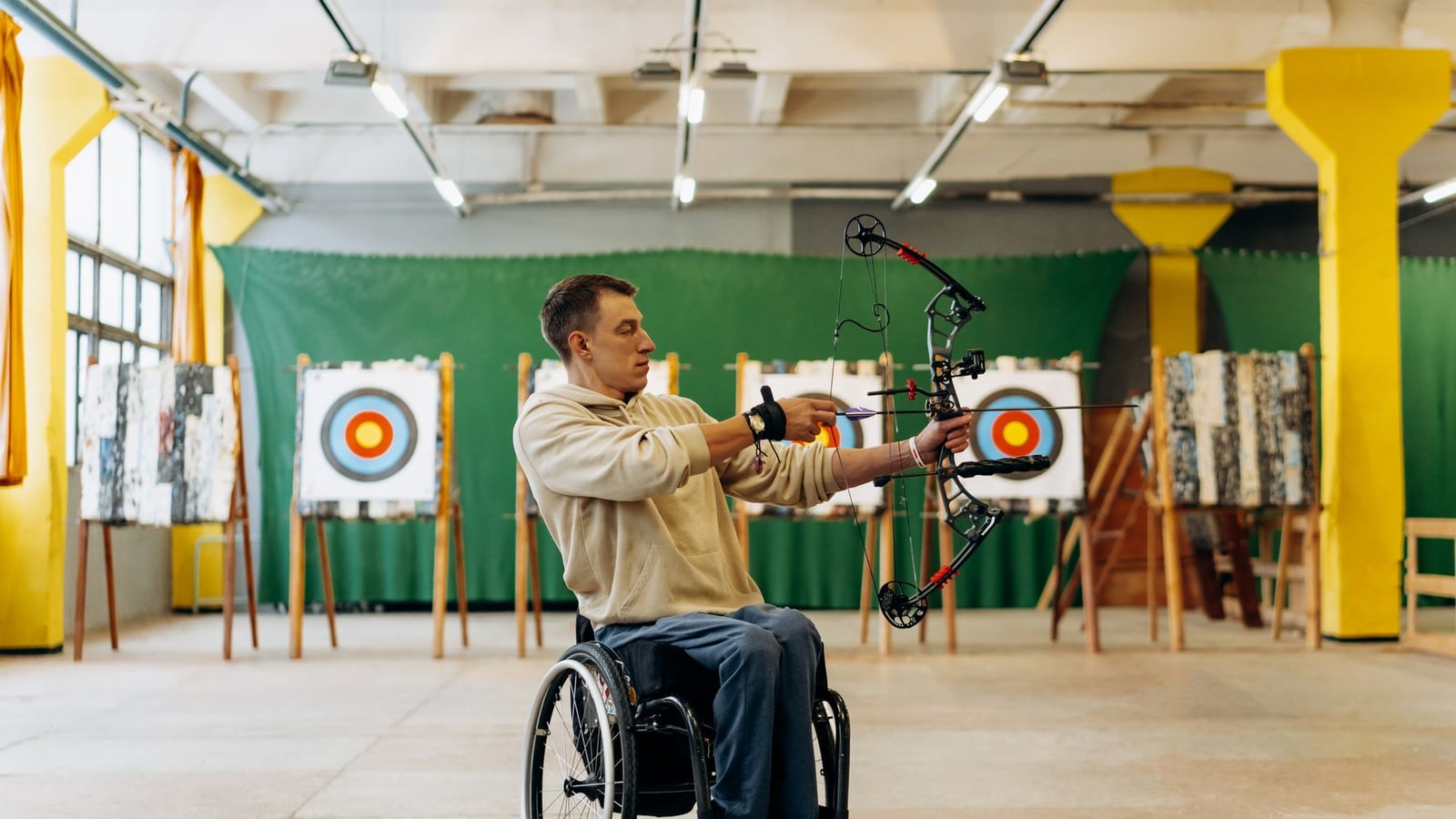
Wheelchair, adapted supports, sport classification: everything you need to know to practice para-shooting at a club, from your first contact to competition.
How a laser rifle prepares kids for air rifle and then real caliber, safely and without skipping steps.
Month by month, year by year: the real progress curve in shooting sports, its milestones, its plateaus, and why it's nothing like a straight line.
After 50, sport shooting stays accessible and beneficial: equipment adjustments, medical certificate, and joint-friendly disciplines.
130 sport shooting terms explained simply, each with a concrete real-world example: gear, technique, paperwork and competition, organized by theme.
The complete, prioritized range bag checklist: what the club provides, what you need to bring, and what can wait until later.
Poor grip, flinching from anticipated recoil, a neglected shooting log: the classic beginner traps and how to correct them from your very first sessions.
Minimum age, junior shooting schools, suitable gear, and supervision: the complete guide to introducing your child to shooting sports without cutting a single corner on safety.
Poorly fitted gear, clubs that aren't always welcoming: the real obstacles do exist, but they fall away quickly with the right adjustments and the right club.
License, club dues, ammunition, protective gear: a full cost breakdown for your first year of sport shooting, with and without your own firearm.
Disciplines, fees, atmosphere, distance: a concrete method for picking a club that actually fits you, without getting it wrong.
Budget, time, temperament, paperwork: ten honest questions to find out whether shooting sports fit you, and which discipline to start with.
Mas 36, K98, Mosin, Garand. A discipline that puts you in the boots of a 1916 or 1944 soldier — with the original guns and their period calibers.
An honest buyer's guide: criteria that matter, criteria that are marketing fluff, and where PewPewLife sits in the landscape.
The essential gear you need, the unspoken rules, and the five rookie mistakes that mark you from day one.
Field stripping, degreasing, targeted lubrication. What to do after every range session, and what to save for major cleanings.
Speed against rigor, movement against stillness. Two disciplines, two philosophies — and the choice that determines your equipment for the next five years.
Caliber, ergonomics, price, used or new: the real checklist to avoid buying the pistol you'll resell in six months.
Low recoil, low noise, low cost. .22 lets you focus on what really matters: trigger control, breathing, mental discipline.
Air rifle, .22 LR or centerfire: three worlds, three budgets, three paths. The guide to entering through the right door.
MOA or Mil, dialing or holdover, BC and drop — what you really need to know to not be lost behind a scope.
From .22 LR to .338 Lapua: What each caliber does well, what it does poorly, and what it really costs.
Safe, ammo separation, transport to the range: what the law actually requires, and what's just good sense on top.
Three positions, three philosophies. Skeleton carries the rifle, muscles stabilize — the mechanical foundation of accurate shooting.
The technique that separates the average shooter from the excellent one. Not a secret — just a discipline that takes a thousand repetitions.
Shooting is 90% mental. You know it, you forget it the moment you put on the bib. Here's how you get back to calm.
Moving target, smooth-bore shotgun, reverse mechanics of precision shooting. Your entry guide to a discipline that doesn't forgive improvisation.
Past 300m, everything becomes an equation. Rifle, scope, rangefinder, ballistics: where to start without going broke.
License, medical certificate, Category B file: The administrative path to becoming a sports shooter in France, step by step.
PEWPEW/LIFEThe network for sport shooters.
We use Google Analytics to understand who visits the site (page views, sources). Anonymized, aggregated, and you can decline — tracking only starts if you accept.