The principle: 3 seasons before you spend a dime on the gun
Moving to Category B means acquiring a firearm subject to prefectural authorization: most handguns and plenty of semi-autos. To get that authorization, you have to prove licensed sporting practice over a period set by regulation, with a minimum number of sessions per season.
In practice, that means your budget isn’t limited to the price of the gun. You pay for a license, range time, ammo, an approved gun safe, and sometimes a medical file, all before you even file your authorization request. Many shooters discover this cumulative total too late, once they’re already in it, and have to hit the brakes partway through.
The goal here isn’t to discourage you but to lay out a realistic budget, season by season, so you can spread the cost instead of taking it all at once. Every line item counts, and some are often forgotten in initial calculations.
Item 1: the federation license and club membership
The first recurring budget line is the federation license, renewed every season. It generally includes civil liability and personal accident insurance, essential for practicing at a club. The exact rate varies depending on the options chosen and changes from one season to the next, so it’s better to check the current amount with your federation rather than rely on a fixed figure.
On top of that comes the club membership fee itself, which funds access to facilities, upkeep of the range, and often part of the coaching. This fee varies a lot from club to club: a rural community club doesn’t have the same cost structure as an urban range with heavy infrastructure.
Over 3 seasons, that’s an expense that repeats three times, and it should be budgeted as a fixed annual line item, not a one-off purchase. If you’re comparing several clubs before signing up, ask for the breakdown of license + membership + range access — some bundle everything together, others bill time slots separately.
Item 2: ammunition, the real budget-buster
This is almost always the underestimated item. To validate your required sessions over 3 seasons, you’ll be shooting regularly, and every round costs something that varies by caliber and ammo type (club-reloaded, retail, lead or biodegradable depending on the range).
A shooter aiming for just the minimum required sessions will spend noticeably less than one who trains every week to genuinely improve. That said, aiming for just the legal minimum isn’t necessarily a good strategy: you arrive at your authorization file with a shakier technical level, whereas more sustained training also makes you more comfortable the day you finally handle your own Category B firearm.
A common club trick is to favor loaner or club guns in an economical caliber during this phase, to keep the ammo budget under control without sacrificing session regularity. Also ask about group rates or pooled orders among license holders — some clubs organize bulk buys that lower the unit cost.
Item 3: protective and practice gear
Even before thinking about the gun, you need basic equipment: hearing protection, shooting glasses, and depending on the discipline, a belt or a suitable holster. These are one-time or infrequent purchases, but they represent a non-trivial starting budget if you want gear that lasts.
Many beginners buy entry-level gear the first season, discover the limits of cheap equipment (uncomfortable hearing protection, glasses that scratch quickly), then upgrade the following season. If your budget allows it, investing once in decent gear avoids this double purchase.
Technical clothing (vest, discipline-appropriate outfit) may also come into play depending on whether you practice classic sport shooting, dynamic shooting on cardboard targets or steel plates, or another federation discipline. This item stays secondary compared to ammo and the license, but it still adds up over the 3 seasons.
Item 4: the approved gun safe, an expense to anticipate early
This is something many shooters discover too late: getting Category B authorization requires proving compliant storage conditions, which in practice means an approved safe or strongroom cabinet before you can even collect the gun.
The price of a safe varies enormously depending on size, certification level, and brand, so it’s impossible to give one reliable figure here — better to compare several models with specialized dealers beforehand. What’s certain is that this isn’t an expense to improvise at the last minute once you have the authorization in hand: delivery and installation times can delay handover of the gun if you leave it too late.
Planning the safe purchase as early as the second season, rather than waiting until the end of the process, lets you spread this significant expense over several months instead of taking it all at once at the financially heaviest moment — the purchase of the gun itself.
Item 5: the administrative file and medical certificate
The prefectural authorization request generally includes a medical certificate confirming there’s no contraindication to owning a firearm. The cost of this consultation varies by practitioner and region, so again, be cautious about the exact amount to plan for.
Some clubs or federations point you toward doctors familiar with this type of certificate, which can simplify things. Also factor in administrative time: gathering proof of practice (club certificates, session attendance records), which has no direct cost but requires planning ahead so you’re not scrambling for documents at the last minute.
This item stays modest compared to ammo or the safe, but it’s an integral part of the overall budget and, above all, the timeline: an incomplete file or one filed too late can delay the whole rest of the project by weeks, even months depending on how busy the relevant prefecture is.
Item 6: the price of the gun itself, the widest variable
This is the most visible item but also the most variable. The price of a Category B firearm depends heavily on the model, caliber, condition (new or used), and purchase channel (gun shop, exchange between license holders under current rules). So it’s counterproductive to set a precise figure here: better to consult several gun shops and compare the ranges that interest you once you know which discipline you’re really aiming for.
A common strategy among experienced shooters is to take advantage of the 3 mandatory practice seasons to test different club or loaner guns, to refine their choice before the final purchase. That avoids buying a gun on impulse early on, only to discover later it doesn’t suit your build or preferred discipline.
Also keep in mind that the purchase price isn’t the end of the story: specific accessories (an approved transport case for travel, a caliber-appropriate cleaning kit) get added at the time of acquisition.
Spreading strategy: distributing the cost over 3 seasons rather than absorbing it all at once
The most effective lever to avoid getting financially squeezed is to consciously spread each item over the course of the process rather than planning for everything at the end. The license and club membership recur every season — that’s a fixed budget item to build into your regular expenses like any sports subscription.
The ammo budget can be smoothed out monthly by setting a steady number of sessions rather than stringing together occasional intensive sessions followed by long breaks. A stable pace also lets you progress technically better, which isn’t negligible either.
The gun safe, as mentioned above, is best bought mid-way through the process, once you’re sure you’ll see it through to the end. Finally, set aside a dedicated amount for the gun purchase from the very start, even a modest one, so you don’t have to come up with the whole budget at once when the time comes for the authorization request.
The most common budget traps
The first trap is underestimating the ammo item by only counting the regulatory minimum of sessions, then discovering in practice that a more sustained pace is needed to progress and feel ready. Better to build in a realistic ammo budget from the start based on regular practice, not the strict legal minimum.
The second trap is buying the gun safe in a rush once the authorization is granted, accepting the first available model without comparing prices or certification levels suited to your needs. A well-thought-out purchase made ahead of time often costs less than one made under pressure.
The third trap concerns the administrative file: underestimating prefecture processing times and waiting until the last moment to gather club attendance certificates. A file well-prepared in advance avoids back-and-forth that lengthens the process and sometimes generates extra administrative costs.
How a club can help you smooth out this budget
A well-organized club often offers concrete solutions to lighten the initial financial load: loaning equipment to new license holders, preferential rates on ammo bought as a group, or help putting together the administrative file from more experienced members who already know the ropes.
Don’t hesitate to ask your club’s board directly how other members handled this budget over their own 3 seasons. An experienced instructor or a seasoned club shooter will often have concrete advice on where you can save without sacrificing quality of practice, and on local pitfalls to avoid.
Some clubs also organize group buys for safes or protective gear, which can meaningfully lower the unit price compared to an individual purchase from a regular dealer.
Using a training log to steer your budget over time
Over a 3-season journey, it’s easy to lose track of what you’ve actually spent item by item, especially when purchases are spread out over time. Keeping a record of your sessions, ammo purchases, and technical progress helps you not only meet the regulatory practice requirements, but also see where your money is actually going.
A digital shooting-log app lets you centralize this tracking: number of sessions per season, progression history, notes on gear tested. That saves you from relying solely on memory or scattered scraps of paper, and gives you a clear picture when it’s time to take stock before filing your authorization request.
This tracking also becomes a concrete argument the day you need to demonstrate the regularity of your practice: an organized, dated record is always more convincing than a rough memory.
Beyond the administrative angle, this log also serves as a long-term budget-steering tool. By cross-referencing the number of sessions completed with ammo consumed, you get a reliable estimate of your average cost per session, specific to your practice and your club — far more useful than a generic average picked up on a forum. This personal data lets you adjust your training pace to your real budget, season after season, instead of navigating blind.
Some shooters go further and also note their impressions of gear tested at the club: this loaner gun suited them better than another, that ammo gave better groupings. These notes, accumulated over 3 seasons, become a solid case when it’s time to choose the gun to buy for good, built on real, documented experience rather than a vague memory or a salesperson’s opinion.
Season 1: laying the foundations without going broke
The first season is when everything starts: signing up at the club, first license, first sessions. It’s also the season when you’re most tempted to buy everything at once out of enthusiasm. Resist that urge — it costs you unnecessarily.
Focus on the essentials: license, club membership, basic protective gear, and enough ammo to keep up the required session pace. At this stage, you don’t yet need an approved gun safe or need to seriously think about the gun you’ll buy at the end of the process. Instead, use club or loaner guns to discover the different disciplines on offer.
This is also the time to get a sense of your realistic monthly budget. Track every expense, even small ones, during the first months: membership, ammo, gas to get to the range, minor maintenance. This tracking gives you a solid figure-based base to build your budget for the next two seasons, rather than a rough one-time estimate.
Many shooters also discover, during this first season, a clear preference for a particular discipline (precision shooting, dynamic shooting on cardboard targets or steel plates, animal-shaped metal silhouettes). This discovery has a direct impact on the following seasons’ budget, since the choice of caliber and gear depends directly on it.
Season 2: time to tighten the pace and plan ahead for the big items
In the second season, your practice generally stabilizes and you start to know which discipline and gun type you’re heading toward. This is the ideal time to start seriously comparing available gun models at several dealers, without buying yet — just to get an accurate picture of prices and options.
This is also the period when it becomes worthwhile to buy the approved gun safe, as mentioned above. Getting it at this stage rather than at the end spreads a significant expense over a time when you don’t yet have to come up with the budget for the gun itself.
The session pace should stay constant, or even pick up slightly if your goal is to arrive at the gun purchase with a solid technical level. This is also a good time to start upgrading certain gear (hearing protection, glasses) if the first season’s items are showing their limits.
Also take the opportunity to start finding out exactly what the administrative file needs to contain: which certificates your club issues, within what timeframe, and what additional documents your local prefecture requires. Each prefecture can have its own practical requirements, so it’s better to check locally rather than rely on information gathered online without knowing whether it applies to your area.
Season 3: finalizing the file and preparing the purchase
The last season before filing the authorization request is when everything tightens up. Keep up your regular practice without easing off, methodically gather all the necessary certificates, and start concretely narrowing down the gun model you plan to acquire.
This is the time to ask your club for attendance certificates covering all 3 seasons. Plan this step several weeks ahead of when you want to file your request — some clubs have internal administrative processing times to respect.
Budget-wise, this is the season when the heaviest expense arrives: buying the gun itself, plus its associated accessories. If you’ve followed a spreading strategy since the first season, this final expense should stay manageable, since the license, membership, safe, and basic gear are already paid off over the previous seasons.
Also keep in mind that the prefecture’s file processing time can vary a lot, and it’s not unusual to wait several weeks, even months, depending on local administrative workload. This delay has no direct cost, but it does affect your overall timeline: better not to count on receiving the gun by a specific date before you have official confirmation of the authorization.
Used or new: what’s the real budget impact
Buying used, either between license holders or through a gun shop, can represent a notable saving compared to new, but it also calls for different vigilance: checking the gun’s overall condition, its maintenance history if available, and making sure it meets current standards for a Category B acquisition.
New, on the other hand, offers a manufacturer’s warranty and peace of mind for a first purchase, which matters a lot when you’re starting out and don’t yet master all the technical criteria for evaluating a used gun. The price gap between the two options varies too much by model and market to give a reliable ballpark figure here.
Advice regularly shared at clubs is to have an experienced shooter or instructor accompany you on a first used purchase, to check the basic inspection points before committing. This vigilance avoids a bad surprise that would turn an apparent saving into an extra repair or refurbishment expense.
Whatever choice you make, always plan a budget margin for accessories tied to the gun itself: an approved transport case, a caliber-appropriate cleaning kit, and possibly caliber-specific ammo if it differs from what you’d been using at the club until then.
Aid and solutions to lighten the financial load
Some clubs offer installment payment options for the annual membership, which can help smooth this expense over several months rather than paying it all at once at the start of the season. Ask your club’s board directly about the options available.
Group ammo purchases among license holders at the same club often reduce the unit cost compared to buying individually at retail. Likewise, some clubs negotiate preferential rates with partner gun shops for their members, which can represent a real saving when buying the gun or accessories.
The used market between license holders, governed by current regulations, is also worth exploring to reduce certain expense items, whether for the gun itself or for protective gear in good condition. Simply ask the most experienced members of your club for advice — they often know the good local leads.
Finally, don’t overlook the question of insurance and liability tied to owning a Category B firearm once acquired: some home insurance policies offer specific options, with costs that vary by contract. Check this point directly with your insurer rather than relying on a general estimate.
Comparing cost by discipline
The overall budget varies noticeably depending on which discipline you’re heading toward, even though the broad outlines of the regulatory process stay the same. Precision shooting on fixed targets generally requires a more measured volume of ammo per session, with technical work centered on stance, breathing, and trigger release.
Dynamic shooting on cardboard targets or steel plates often involves a more sustained rate of fire per session, so higher ammo consumption to progress properly in this discipline. Animal-shaped metal silhouettes (chicken, pig, turkey, ram) used in certain events also require regular training to refine accuracy on targets of varying sizes.
Caliber choice also has a direct and lasting impact on the ammo budget, season after season. A common caliber is generally easier to source and at a more predictable cost than a rarer one, but prices shift regularly with the market, so avoid basing your decision solely on prices observed at a given moment.
Before committing definitively to a discipline and caliber, make the most of the 3 mandatory practice seasons to test several configurations using club gear. That’s the best way to align your future purchase with a practice you’ve actually tested and enjoyed, rather than a discipline chosen on an initial impression.
The role of mindset and consistency in mastering your budget
A well-managed sport shooting budget rests as much on personal discipline as on financial choices. The shooters who spend the most over time are often those who alternate between phases of intense training and long breaks, needing to urgently restock ammo or bring neglected gear back up to standard each time they restart.
Conversely, regular practice, even modest in volume, lets you smooth out ammo purchases over time and avoid last-minute orders, which are often pricier per unit. This consistency also directly benefits your technical progress, which indirectly reduces ammo wasted on poorly prepared sessions.
An experienced instructor will often stress this point to new license holders: it’s better to fire a moderate number of rounds with real technical attention at each session than to run through a large volume without real fundamentals work. This approach is not only more economical, but also more effective for reaching a solid level before buying the Category B gun.
Setting yourself a realistic session schedule from the very first season, aligned with both your budget and your actual availability, also avoids the stress of having to catch up on missed sessions at the end of the process to meet regulatory requirements. A pace set early and maintained over time remains the best guarantee of staying on track, both budget-wise and schedule-wise.
Anticipating expenses after acquiring the gun
The budget doesn’t stop the moment you pick up your Category B firearm. Regular maintenance (cleaning, appropriate products, wear parts depending on the model) represents a recurring expense to build into your budget for the following seasons, even though it generally stays modest compared to previous items.
Renewing the license and club membership also continues, season after season, as long as you practice. This is a point sometimes overlooked by shooters who think the bulk of the financial effort ends once the gun is acquired, when in fact regular practice remains essential to keep progressing and to keep your authorization in good standing.
Also think about how your gear might evolve over time: changing optics or accessories depending on the discipline, replacing worn hearing protection or glasses, or even moving toward a second gun if your practice shifts toward several disciplines. These aren’t immediate expenses, but they’re part of a sport shooter’s long-term budget.
Finally, keep in mind that storage conditions (approved gun safe) need to remain compliant over time, not just at the moment of the initial authorization request. Basic upkeep of the safe and periodic checks that it’s working properly are part of the responsibilities that come with owning a Category B firearm.
Building a simple budget table, season by season
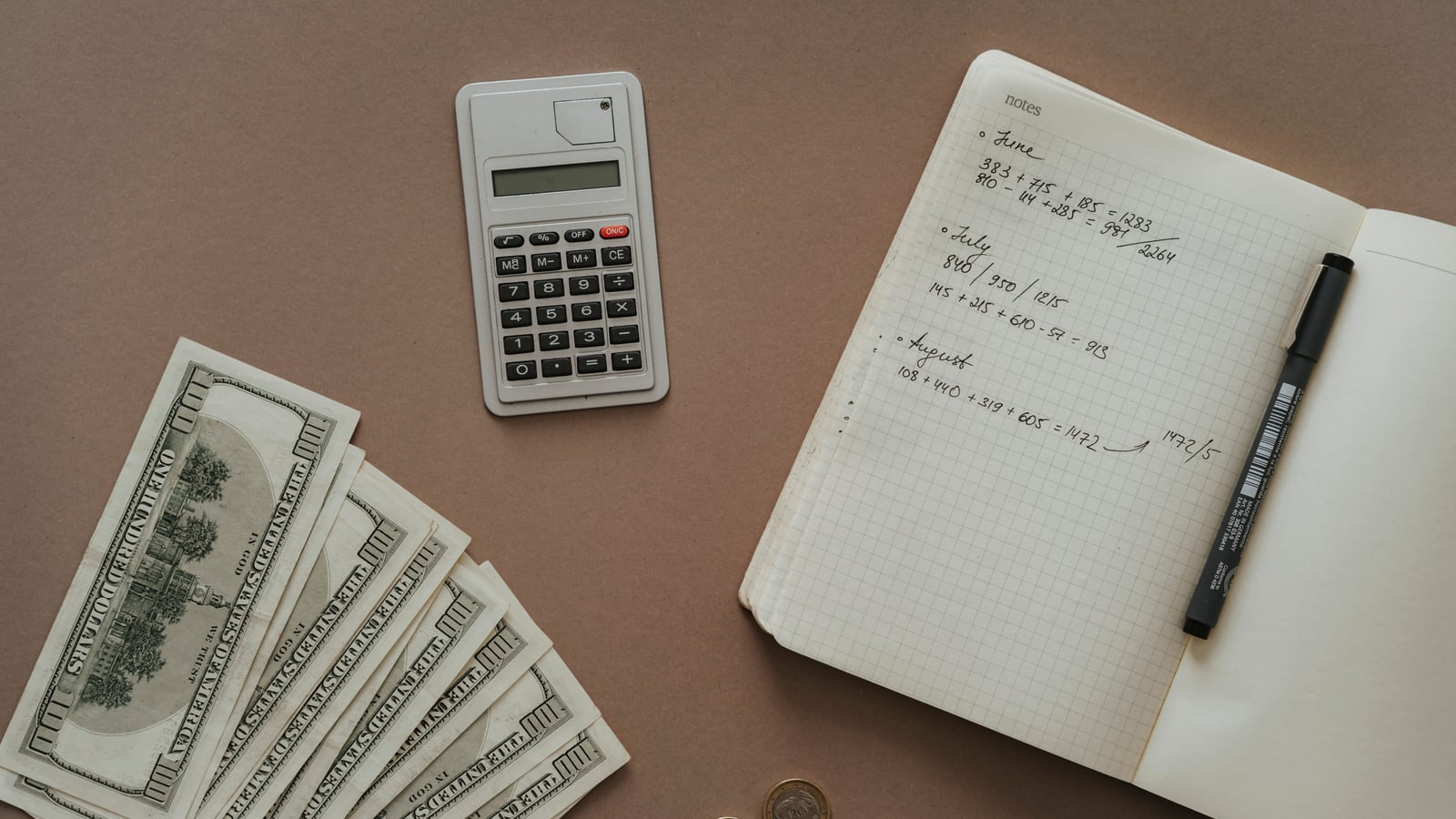
Rather than keeping all these items in your head, it’s more effective to build a simple table, even on paper or in a basic spreadsheet, with one column per season and one row per expense item: license, club membership, ammo, protective gear, gun safe, administrative file, and finally gun and accessories.
Fill in this table as you go, season after season, with amounts actually spent rather than fixed estimates made at the start of the process. This lets you adjust your budget for the following seasons based on what you’ve actually observed, not just on general averages that may not match your local situation.
This table also becomes a concrete decision-making tool: if you notice partway through the second season that the ammo budget is running well over your projections, you can adjust your session pace or reconsider the caliber you’re targeting for the final gun, before the situation becomes hard to manage. Better to adjust early than to discover a budget imbalance right when you’re about to file your request.
Don’t hesitate either to share this approach with other license holders at your club going through the same journey. Comparing real budgets between several shooters, without aiming for a universal average that doesn’t really exist given how much local situations vary, helps you spot where you specifically can optimize without sacrificing the quality of your practice.
What to remember before you get started
Moving to Category B is a process structured over several seasons, not a one-off purchase. The real budget goes well beyond just the price of the gun: recurring license, ammo, protective gear, approved gun safe, administrative file, and finally the gun itself with its accessories.
Consciously spreading each item over the 3 seasons rather than concentrating everything at the end remains the best strategy to avoid a financial load that’s hard to absorb all at once. Planning for the gun safe mid-way through, setting aside a dedicated amount for the gun from the start, and tracking your actual spending rather than rough estimates — those are the concrete levers available to you.
Your club remains your best resource throughout this journey: experienced instructors, seasoned shooters, and sometimes collective solutions (group purchases, equipment loans, negotiated rates) that can meaningfully lighten the overall financial load. Never hesitate to ask your club’s board directly rather than looking for a generic answer that may not match your local situation.
Finally, keep in mind that this 3-season journey isn’t just an administrative constraint to endure: it’s also the time needed to build a solid practice, test different disciplines and different gear, and arrive at the purchase of your Category B firearm with a well-thought-out choice rather than a rushed impulse.
Seen from that angle, the budget accumulated over 3 seasons isn’t just a sum to set aside — it’s also a gradual investment in your practice itself: every session funded by this budget brings you closer to a more solid technical level, better knowledge of the gear available, and a more informed final purchase decision. Approached methodically, item by item and season by season, this journey remains well within reach of a reasonable leisure budget, with no last-minute bad surprises. The shooter who reaches the end of the 3 seasons with a well-controlled budget is also, in the vast majority of cases, the one who took the time to compare, plan ahead, and track their spending rather than rushing headlong toward the final purchase.
Questions to ask before choosing your club and gun shop
The choice of club has a direct budget impact on the whole process, so it’s worth asking a few concrete questions before signing up. Ask for the exact breakdown of the membership fee: does it include free access to time slots or do you have to pay for each session separately, is equipment loan offered to beginners, and are there reduced rates for young license holders or families.
Also ask how the club supports members in putting together the administrative file: some have a well-oiled process with designated points of contact, others leave everyone to fend for themselves with the prefecture. This support has no direct monetary value, but it can save you costly back-and-forth in time and stress.
On the gun shop side, once you’re approaching your third season, don’t hesitate to compare several dealers rather than limiting yourself to the closest one geographically. Ask for a breakdown of what’s included in the listed price: basic accessories, cleaning kit, warranty, and any after-sales services. These elements vary from seller to seller and can make a real difference in the total cost of acquisition.
Finally, don’t hesitate to ask several gun shops for a detailed quote for the same gun model before deciding. This comparison, which costs nothing, sometimes reveals significant price gaps or favorable trade-in terms if you go through an exchange with a club or loaner gun you’ve been using until then.
FAQ
Q: Do you have to pay for the gun safe before even having the authorization? A: Yes, in practice it’s better to buy it in advance, since compliant storage conditions are generally required to get the authorization. Waiting until the end of the process risks delaying handover of the gun.
Q: Can you reduce the ammo budget by shooting only the minimum required sessions? A: It’s possible, but it’s not necessarily a good strategy: you arrive less technically prepared when it’s time to buy your own gun. A regular pace beyond the strict minimum remains preferable if your budget allows it.
Q: Is the federation license price the same everywhere? A: The license rate and associated insurance options change from one season to the next and depending on the choices made, so it’s better to check the current amount directly with your federation rather than rely on an old figure.
Q: Can you test several guns before choosing the Category B one to buy? A: Yes, it’s even recommended: using club or loaner guns during the 3 practice seasons lets you refine your choice based on your build and preferred discipline, rather than buying on an initial impulse.
Q: Can a club help reduce the costs of this process? A: Many clubs offer equipment loans, group purchases of ammo or gear, and administrative support from experienced members. Asking your club’s board directly is often the best source of concrete savings.