
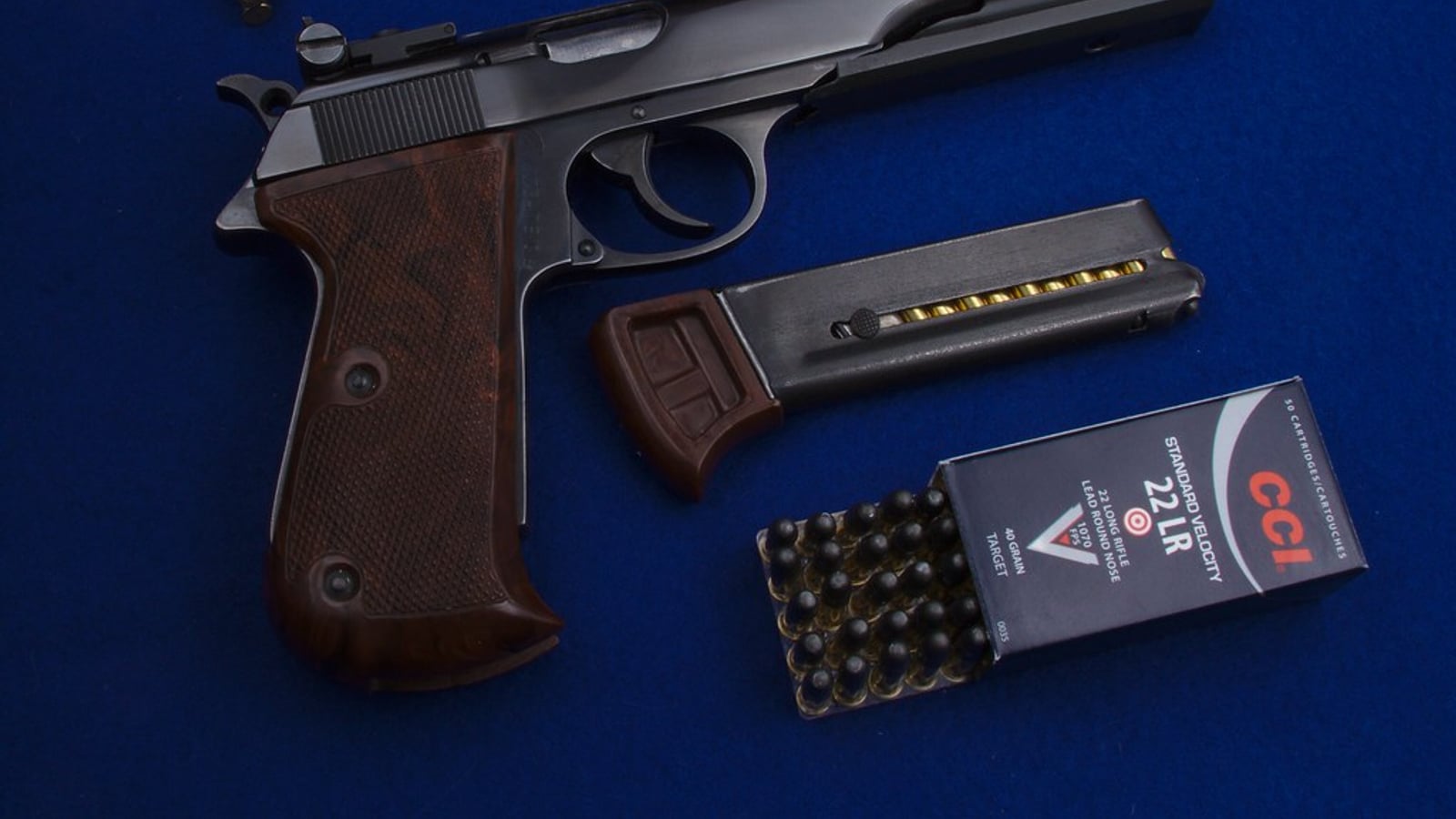
Why the number of magazines isn’t a matter of comfort
A spare magazine isn’t a gadget you add just for the pleasure of collecting gear. It’s a tool that directly shapes your training pace, your stress management in dynamic competition, and the longevity of your firearm. A recreational shooter firing 50 rounds one Sunday a month doesn’t have the same needs as a dynamic-discipline competitor stacking stage after stage in a match.
The classic mistake is copying your setup from another shooter without ever asking yourself what your own discipline actually requires. A magazine sitting in a drawer, never emptied or lubricated, isn’t a backup magazine — it’s a potential problem waiting for the day you actually need it.
There’s also a psychological dimension that gets underestimated. Running out of magazines mid-session forces you to stop your technical work to reload by hand, which breaks the concentration and rhythm you’re trying to build in the first place. Conversely, an oversized, poorly tracked stockpile gives a false sense of security: you think you’re covered, when part of your gear may not have been checked in months.
This article covers the recommended number depending on your practice, the real maintenance of the spring (the most misunderstood point), usage rotation to spread out wear, and the budget to plan for. The goal is to get you to a reasoned decision, not a number pulled from a conversation at the range.
Keep in mind this reasoning applies to the handgun as the main reference point, but the same underlying principles (frequency of use, spring maintenance, rotation, budget) transpose to any firearm with a detachable magazine you shoot at your club.
Calculating your real need instead of copying a number
Before settling on a precise number, it’s worth asking three simple questions: how many rounds do you fire on average per session, how much time typically separates two reloads in your practice, and how much time are you willing to spend hand-loading during a session. These three answers are enough to calculate a realistic need specific to your practice, rather than a number copied from another shooter whose context is different.
Take a concrete example. If you fire 100 rounds per session with a standard-capacity magazine, and you’re fine reloading the same magazine two or three times during the session, two magazines are plenty. If instead you want to shoot without interruption until you run out of ammunition, you need one extra magazine for every batch of rounds you plan to fire without a reload pause.
This calculation should also factor in prep time before the session. Loading a magazine takes time, especially on stiff-spring models that work the thumb hard. A shooter who preloads their whole stock before heading to the club gains session comfort, but has to accept spending that prep time beforehand rather than on-site.
The same reasoning works in reverse to spot an excess of gear. If, after several months, you notice part of your stock never leaves the case, that’s a sign your real need is lower than what you bought. Better to scale your stock down and sell or set aside the surplus than keep maintaining gear that serves no purpose in your current practice.
Recreational shooting: what you actually need
For a recreational shooter practicing at a club on paper targets or fixed steel plates, at a pace of one to four sessions a month, two to three magazines are plenty in the vast majority of cases. One in hand, one reloading at the firing point, a third on standby if the club enforces rotation between lanes.
The main argument here is session flow: you don’t want to spend your time reloading the same magazine while the instructor waits for you to get back into position. But beyond three or four magazines, the comfort gain becomes marginal if you’re not practicing a timed discipline.
Many beginners buy five or six magazines in their first year “just in case.” In practice, this gear sits in a case and ages without being used, which raises exactly the spring issue we’ll detail further down. Two well-maintained magazines beat six forgotten ones.
If your club also occasionally runs animal steel-silhouette shooting (chicken, pig, turkey, ram), the string pace stays comparable to classic precision shooting: no need for extra stock for this format.
Another point often overlooked by recreational shooters: the spare magazine isn’t just there to save time, it also acts as a fallback in case of a technical issue with the primary magazine. A spring that binds mid-drill, a baseplate that comes loose, and you switch immediately to the next magazine without interrupting your session for a teardown at the firing point. It’s this backup function, more than reload speed, that really justifies the second or third magazine in recreational use.
Your progression rate matters too. A beginner who just got their license and is only starting to string regular sessions together doesn’t need to anticipate a competition-level stock in year one. Better to learn to properly maintain two magazines than to accumulate gear you don’t yet know how to maintain correctly. Maintenance skill comes before gear accumulation, not the other way around.
Dynamic competition: a different calculation
In dynamic disciplines (IPSC, Steel Challenge, USPSA), the logic changes completely. A stage can require emptying several magazines in a row on cardboard or steel targets/plates set up along the course, with timed magazine changes that are an integral part of the event.
A regular dynamic-discipline competitor generally needs a minimum of five to eight magazines. That figure covers a full stage without hand-reloading between runs, and keeps a margin in case a baseplate or spring shows signs of weakness mid-match.
A regional dynamic-discipline champion often tells her clubmates that she systematically preps her entire set of magazines the night before a match, rather than loading them at the last minute at the firing point. This habit avoids round-count errors and forgotten magazines in the bag.
This upfront prep has another rarely mentioned benefit: it leaves time to spot a magazine that’s loading abnormally before the match starts, rather than mid-stage under the clock. A spring that resists more than usual near the end, a round that doesn’t seat fully — these are signals better caught calmly the night before than discovered under timer pressure.
The number of stages on the program directly affects the calculation. A match with six stages averaging twenty rounds each requires a total ammunition volume well beyond what a single magazine, even a high-capacity one, can hold. Calculate the total number of rounds planned for the day before deciding how many magazines to bring, rather than relying on a general habit that may not match the day’s program.
The exact number also depends on the rules of the division you’re competing in, particularly the capacity allowed per magazine for your firearm’s category. Check with your club or federation on the current thresholds for your division rather than relying on a general average.
You also need to distinguish weekly training from the actual match day. In training, you can afford to work with three or four magazines and reload between reps, since the goal is technical rather than strictly timed. On match day, though, you want to avoid at all costs reloading a magazine mid-match: the full set must be ready before the first stage, which means you’ve anticipated the total round count needed for the whole day.
Another factor too often ignored: the number of stages planned in a match’s program varies from one organization to another. An experienced coach who mentors young competitors generally recommends planning a margin of one to two extra magazines beyond the theoretical minimum, to absorb a re-shoot stage or a referee ruling that requires pulling a string.
Precision shooting and rifle shooting
In precision disciplines (10m air rifle, 50m rifle, 10m or 25m pistol), the magazine dynamic is completely different. Strings are slow, the shooter often loads one to five rounds at a time, and the pace doesn’t justify a large stock.
Two magazines are generally enough for this kind of practice: one in hand, one as backup in case of a jam or cleaning mid-session. The constraint here isn’t reload speed but feed reliability, round after round, over dozens or even hundreds of shots per training session.
For manually operated bolt-action rifles, often classified in category C and subject to declaration, the magazine (when the firearm has one) wears differently: fewer fast cycles, but prolonged exposure if the firearm stays loaded between two shooting phases at an outdoor range.
Precision shooting also involves much finer handling of the magazine, with repeated insertion and removal during a session to comply with judging procedures or safety instructions between strings. This frequent handling mostly wears the magazine’s feed lips — the part that holds the round in position before feeding — more than the spring itself. Regularly check that these lips haven’t spread slightly, which would cause irregular feeding even with a spring in perfect condition.
Some precision shooters invest in a magazine dedicated specifically to position setup and dry-fire training (no ammunition), so as not to stress the live-fire magazine during at-home movement repetitions. This practice remains optional but makes sense if you dry-fire train several times a week in addition to club sessions, since it avoids extra wear on a magazine that also serves in live-fire sessions.
Understanding spring fatigue: myth and reality
The most widespread myth at the range is that a magazine left fully loaded for months “fatigues” the spring to the point of making it unusable. Reality is more nuanced: a decent-quality spring, kept under constant, moderate compression, loses very little force over the long term. What really damages a spring is repeated cycles of maximum compression followed by sudden release, not static compression itself.
That said, there is a real long-term mechanical fatigue phenomenon, especially with entry-level or very old magazines. Caution is still warranted: don’t store a magazine at full capacity for several years without ever emptying or checking it.
An experienced coach often recommends a simple rule: unload your spare magazines roughly every two to three months if you’re not shooting regularly, check that the rounds rise freely, then reload. This rotation prevents both spring wear and the buildup of oxidation deposits on the rounds themselves.
Cleaning the magazine follows a different logic than cleaning the firearm. Fully disassemble it (baseplate, spring, follower) every few hundred rounds or at least once a season, dust out the inside of the body, and apply only a thin coat of dry lubricant to the spring. Excess grease attracts dust and sand, which eventually slows the rise of the rounds.
Full disassembly should stay methodical so you don’t lose parts, especially the baseplate and its locking tab on certain models. Work on a clear surface, in the reverse order of the reassembly you already know, and take a phone photo before starting if it’s the first time you’re disassembling this particular model. This simple precaution avoids the classic mistake of reinstalling the spring upside down, which can cause irregular feeding as soon as the next string.
A technical point that comes up often at the club: should you lubricate the spring itself or only the body’s friction points. The general answer is to limit lubrication to the mechanical friction zones (inner walls, baseplate) and avoid drowning the spring itself, which doesn’t need lubricant to keep its compression force. A properly sized spring runs dry just fine as long as it stays clean and uncorroded.
Usage rotation: spreading wear across your magazines
If you own several magazines, the worst habit is systematically using the same one and leaving the others in permanent reserve. This practice concentrates mechanical wear on a single piece while the others age without being used, which makes your gear set uneven over time.
The right method is to number your magazines (with an indelible marker or a discreet engraving) and rotate them on a regular cycle: magazine number one this week’s session, number two the following week, and so on. This rotation guarantees even wear and also makes it easier to spot which one is starting to show signs of weakness.
This rotation logic is even more important in dynamic disciplines, where the number of cycles per session is high. An experienced club shooter training twice a week can easily rack up several thousand loading cycles a year across their whole set if usage is properly spread out.
A digital logbook helps a lot here: noting which magazine was used at which session lets you objectively visualize the usage distribution, rather than relying on memory or a rough impression.
Some competitors go further and pair a color code or label system with each magazine, in addition to numbering, to spot at a glance which one belongs to which purchase batch. This organization becomes useful once the set exceeds six or seven units, because it gets hard to remember each piece’s history by ear without a written record.
Rotation shouldn’t be so rigid that it becomes a constraint either. The goal remains to avoid a magazine being systematically neglected, not to follow a calendar to the day. A simple, sufficient rule is to check once a month that every magazine in your set has been used at least once since the last check.
Spotting the signs a magazine is nearing end of life
A magazine doesn’t always clearly warn you it’s reaching the end of its useful life, but certain signals should raise a flag. A round rising more slowly than others in the same string, a baseplate visibly cracking, or deep scratches on the body that catch on your thumb are concrete signs to watch for.
A recurring jam with one specific magazine, while the others in your set work fine with the same ammunition, almost always points to that particular magazine rather than the firearm. That’s one reason it’s better to isolate the variable: test a suspect magazine alone, in a dedicated session, before concluding anything.
Internal corrosion is more insidious because it’s not visible from outside. If you notice traces of moisture after a rainy session or storage in a non-climate-controlled place, disassemble the magazine right away rather than waiting for the next session.
A magazine failing in dynamic competition can cost you a time penalty or a stoppage mid-stage, which is plenty of reason to pull a doubtful magazine from rotation rather than trust your luck.
There’s also a difference between a simply worn magazine and one that’s genuinely dangerous to use. A deformed feed lip, a deeply cracked body, or a baseplate that no longer locks properly in position aren’t a DIY fix: these parts need to be pulled from service and replaced, not patched with an improvised solution. The cost of a new magazine is always lower than the risk of a firing incident caused by a failing part.
Log these observations in your tracking notebook, with the date and nature of the defect observed. This history saves you from rediscovering the same problem months later on the same magazine you would otherwise have put back into rotation without remembering.
One last useful habit: when you permanently retire a magazine from service, don’t mix it in with the rest of your set in storage, even temporarily. Isolate it clearly, with an explicit label if needed, to avoid it being picked up by mistake at a future session just because it “looked fine” when you put it away in the case.
The real budget to plan for
The price of a magazine varies a lot depending on the firearm model, the brand, and whether it’s an OEM magazine or a compatible third-party part. It varies by model and retailer, so avoid relying on a single figure found online without checking with your gunsmith or club.
For recreational use with two or three magazines, the investment stays reasonable and pays off over several years of normal use. For a dynamic-competition set of six to eight magazines, the budget climbs accordingly, but think of it as a progressive investment rather than a one-time purchase: nothing forces you to buy the whole set at once.
A common strategy among competitors is to spread the purchase over several months, testing each new magazine individually before permanently adding it to the rotation. This also lets you spot a defective magazine right at purchase, before it becomes a problem in competition.
Also factor in maintenance cost, marginal but real: suitable lubricant, cloths, possibly a disassembly tool for certain complex baseplate models. This side budget stays small compared to the price of the magazine itself, but it determines its lifespan.
A useful way to prioritize purchases: first calculate the number of magazines strictly needed for your current practice, buy that core set first with good-quality gear, then progressively expand the set if your practice evolves toward more competition. Investing in eight top-of-the-line magazines in your first year, before even knowing if you’ll head toward dynamic discipline, ties up a budget that could serve elsewhere, notably for training ammunition.
A used market also exists for magazines, particularly for very common models. This can represent a real saving, but requires an even more rigorous check at purchase: visual inspection of the body, testing the spring’s full travel, condition of the feed lips. A poorly inspected used magazine can cost more in headaches than a new one.
A serious seller, whether a gunsmith or a club member selling off gear they no longer use, will generally agree to specify the known history of the magazine: approximate number of sessions, whether it’s already had an incident, spring condition at time of sale. If this information isn’t available or stays vague, plan a more thorough check as a precaution, or even a preventive spring change if the purchase price justifies it.
Buying OEM or compatible: what actually matters
The question of OEM versus compatible third-party magazines comes up often at the club. An OEM magazine generally guarantees proven compatibility and reliability with your specific firearm, which remains the safest value if your budget allows.
Well-reputed compatible magazines can offer excellent value for money, but quality varies a lot from one manufacturer to another. An experienced club shooter generally recommends testing a single compatible unit before buying several from the same batch, just to verify real reliability on your firearm before investing further.
In any case, avoid carelessly mixing magazines from very different generations or manufacturers in your main competition rotation. Too much heterogeneity complicates diagnosis if a feeding issue appears, since you no longer know whether the cause is the firearm or a particular magazine model.
One last criterion deserves a mention: spare parts availability. A recent OEM magazine generally benefits from simpler after-sales service (replacement spring or baseplate available separately), whereas a low-end compatible model sometimes has to be replaced entirely at the slightest issue, since no spare parts are sold separately. This criterion matters mostly over time, not at the moment of the initial purchase.
Also ask your gunsmith or more experienced shooters at your club before choosing between several compatible brands for your specific firearm model. A club’s collective experience over several years of practice is often worth more than an isolated opinion found online, because it reflects real, sustained use rather than a first impression after just a few sessions.
A technical point tied to this choice deserves adding: not all magazines of the same model necessarily behave identically with every round. A cartridge that feeds perfectly in one magazine can slightly catch in another, due to normal manufacturing tolerances that are never perfectly identical from one unit to the next.
That’s an extra reason to test each new magazine individually before adding it to your competition rotation, with the ammunition you actually use in matches rather than a different one used only in training. A magazine that works perfectly with cheap training ammo can behave differently with the more precise competition ammo you save for matches.
Some dynamic-discipline shooters assign each magazine a specific use: part of the set dedicated exclusively to training with economical ammo, another reserved for matches with match ammo. This separation limits wear on the competition set and keeps those magazines at maximum reliability for the day it really counts.
Also remember to check, after any complete disassembly, that the magazine reassembles without excessive play and that the baseplate locks firmly. Abnormal play after reassembly almost always indicates a misplaced part rather than genuine wear, but it’s better to check before the next session than mid-string.
Storage: where and how to keep your magazines between sessions
The storage location directly affects your magazines’ lifespan, often more than how often they’re used. A dry, temperate environment away from direct light limits corrosion and material degradation, whether the body is polymer or metal.
Avoid storing magazines directly against a damp carry bag after an outdoor session in the rain. Dry them before putting them away, even just roughly, to prevent moisture from lingering inside the body for weeks.
A dedicated case with individual compartments remains the most practical solution for a set of several magazines. It prevents them knocking against each other during transport and allows quick, organized access at the club or in competition, which also matters on match day, when every minute before a stage starts is handled calmly.
Remember too that storing and transporting magazines, like the firearm and ammunition, must follow your club’s safety rules and applicable regulations: magazines and firearm kept separate during transit, in suitable containers, in line with what’s required for your firearm’s category.
Grip ergonomics and handling the magazine
Repeatedly loading and unloading a magazine works the thumb and forearm more than you’d think, especially on stiff-spring or high-capacity models. During a long prep session before a dynamic-discipline match, hand-loading seven or eight magazines in a row can genuinely tire your hand out, which isn’t trivial the night before a match when you want to show up rested.
A manual loading tool, often called a “speed loader” depending on the model, helps reduce this fatigue by distributing the effort differently across the hand. It’s not an essential purchase for recreational use, but it becomes relevant as soon as prep volume increases, particularly for competitors who prep their entire set before every match.
Ergonomics also matter for left-handed shooters, whose grip on the magazine during a fast reload differs slightly from a right-hander’s depending on where the empty magazine drops from the firearm. This detail doesn’t affect the number of magazines needed, but it’s worth discussing with an experienced coach if you’re left-handed and starting out in dynamic discipline, so you adopt a reload motion suited to your handedness from the start.
Grip comfort on the magazine itself also varies from one model to another, notably on baseplate extensions that help or hinder quick removal under timed pressure. This criterion deserves being tested in hand before buying a whole batch, rather than discovered afterward across eight identical units.
The texture of the magazine body also affects grip in cold weather or with wet hands, a detail that seems minor indoors but really matters at an outdoor range in winter or during a rainy match. An experienced club shooter who also practices outdoors year-round often recommends trying magazines in varied weather conditions before finally approving them for competition, rather than discovering a grip problem on the day of a decisive match.
Evolving your set as your practice evolves
The number of magazines that suits you today isn’t fixed forever. A recreational shooter who discovers dynamic discipline after a year or two will see their needs change radically, going from two or three magazines to a full competition set. Conversely, a competitor who scales back their practice for personal reasons no longer needs to maintain eight magazines in parallel.
This gradual evolution is healthier than a massive upfront purchase for a still-hypothetical practice. An experienced club shooter often advises new members to start with the minimal core set suited to their current practice, then add one more magazine each time a concrete need arises, rather than anticipating years ahead for gear that risks aging unused.
When your practice slows down or switches discipline, also remember to reassess your existing set: a magazine barely used in a long while deserves a full check before being put back into service, even if it seemed fine when you put it away. Storage time alone justifies this check before resuming regular practice.
If you’re considering giving or passing on a magazine to another shooter at your club, apply the same rigor as when buying: honestly describe its wear condition, its approximate cycle count if you’ve tracked it in a logbook, and any minor defect noticed. This transparency avoids disappointments and fits into the normal trust dynamic between practitioners of the same club.
Finally, keep in mind that the best decision is always the one that matches your real, verifiable practice, not a theoretical average. A logbook, whether paper or digital, gives you this factual truth about your own use: number of sessions, rounds fired, magazines used, incidents observed. This is the personal data, built session after session, that should drive your next gear purchases — far more than a general rule read in an article, however well-intentioned.
FAQ
Q: How many magazines do you really need to get started at a club? A: Two to three magazines are enough for regular recreational use. That number lets you string together series without excessive interruption while keeping maintenance simple.
Q: Is a magazine stored fully loaded for months ruined? A: Not necessarily, a decent-quality spring handles moderate static compression well. It’s still wise to unload and check it every two to three months as a precaution.
Q: Should you always buy OEM magazines? A: OEM magazines offer the safest reliability, but well-reputed compatible models can work well after an individual test on your firearm.
Q: How do you know a magazine is at the end of its life? A: Watch for slow or irregular round feeding, cracks on the baseplate, deep scratches, and jams that keep recurring with the same specific magazine.
Q: Does rotating between several magazines actually change anything? A: Yes, it spreads mechanical wear evenly across the whole set instead of concentrating cycles on a single magazine, which extends the overall lifespan of your gear.
Q: Does the number of magazines needed depend on the firearm’s category? A: It mainly depends on the discipline practiced rather than the administrative category, but regulations tied to your firearm’s category can cap the capacity allowed per magazine in competition.