Why nutrition really changes your result
You can have the best-tuned rifle, mounted perfectly against your shoulder, but if your body doesn’t have the right fuel, your position holding collapses over the course of the strings. Precision shooting demands fine muscular control over dozens of minutes, sometimes several hours with qualifications and finals. That fine control depends directly on the energy available to your nervous system and your postural muscles.
Most shooters take care of their equipment down to the last detail but eat whatever on match day, often out of stress or lack of time. The result: a tremor that sets in toward the end of the match, concentration that drops out at exactly the wrong moment, or a wave of fatigue between two relays. None of that is inevitable — it’s a matter of preparation.
This isn’t a topic reserved for elite athletes with a sports dietitian. A club shooter who just adjusts three or four habits around their match-day eating often gains more stability than through extra hours of dry-fire practice. This article covers what’s really at stake physiologically and what you can concretely put in place.
You also need to clearly distinguish two time scales that often overlap in shooters’ minds: general season-long nutrition, which builds your physical condition and your ability to handle stress over the long term, and competition-day-specific nutrition, which optimizes your energy availability over a window of a few precise hours. This article focuses on the second, but it never replaces correct daily eating habits.
One last point before getting into the details: nothing here replaces individualized medical advice if you have a specific condition, are on treatment, or have doubts about your tolerance to certain foods. The principles that follow are general benchmarks drawn from field experience, not a personalized medical protocol.
Blood sugar and fine stability: the direct link
Blood sugar is the level of sugar in your blood, and it’s your brain’s main fuel. A brain lacking glucose becomes less precise in its fine motor commands, which translates directly into more wobble of your weapon on target. This is a purely physiological phenomenon, not a matter of mindset or willpower.
The classic problem is the spike then the crash. You eat something very sweet right before the start, your blood sugar rises fast, you feel great for twenty minutes, then it drops sharply and you find yourself in relative hypoglycemia in the middle of a string. This crash often comes with fine tremors, a sense of mental fog, and irritability that really doesn’t help you stay calm on the firing line.
The goal, then, isn’t to “fill up” right before the event, but to maintain stable blood sugar over the whole duration of the competition. That means favoring energy sources that release gradually rather than isolated fast sugars. A regular, moderate intake beats a big meal or a very sweet bar swallowed five minutes before the first shot.
This glycemic stability is even more critical on long events, where relays are spread over several hours with waiting time between passes. It’s precisely during these waiting phases that blood sugar tends to drop if you don’t plan ahead, and it’s often exactly there that concentration drops off the moment you pick the weapon back up.
Breath control is one of the technical pillars of precision shooting, and it’s directly linked to your overall energy state. A shooter in relative hypoglycemia tends to breathe faster and more shallowly, which shortens their breath-hold window at the moment of release and complicates shot timing.
When blood sugar is stable, breathing stays fuller and more regular, making it easier to find that small natural pause at the end of exhalation where the sight picture is most stable. It’s a detail few shooters connect to their diet, even though the physiological link is direct: less available fuel means more cardio-respiratory demand for the same perceived effort.
Over long strings, this window of respiratory stability naturally tends to shorten with fatigue. A snack taken at the right moment, before fatigue fully sets in, helps preserve this window longer than waiting until the feeling of a slump is already there. An experienced coach often recommends deliberately pairing an eating or drinking break with a technical break: use a change of string or a regulatory timeout to both mentally exhale and refuel your body.
Another lesser-known effect of mild hypoglycemia is its impact on fast decision-making, particularly useful in disciplines where you need to adjust your shot based on wind, light, or an incident in the string. A well-fed brain retains a sharper capacity for this kind of fine adjustment, while a glucose-deprived brain tends to fall back on automatic responses less suited to the precise situation at hand.
This link between blood sugar and clarity also explains why some shooters report a feeling of “blurred judgment” toward the end of a long event, well before being physically exhausted. It’s not a lack of mental preparation — it’s often simply a signal that the body is running on low idle for lack of sufficient energy intake over several hours.
The effect of caffeine on fine tremor
Caffeine is a double-edged topic in precision shooting. In a moderate dose, it improves alertness, reaction time, and concentration, which seems positive at first for a discipline requiring sustained attention over several hours. The catch is that it also acts as a central nervous system stimulant and can amplify the natural physiological tremor of your hands and arms.
This physiological tremor exists in everyone, even the most experienced shooters: it’s a natural micro-oscillation linked to muscular and cardiac activity. Caffeine, by stimulating the sympathetic nervous system, can increase the amplitude of these micro-tremors, which shows up immediately on a front sight or in a high-magnification scope. An unaccustomed shooter who drinks two or three strong coffees before an event takes a real risk of degrading their fine hold.
Caffeine tolerance varies enormously from person to person depending on daily consumption habits. A shooter who drinks coffee every day, all year round, will have a much more moderate response than a shooter who almost never drinks any and decides to have some “to wake up” on the morning of a final. That’s clearly not the right time to test a new habit.
The safest rule remains not changing anything about your caffeine habits on competition day compared to your daily routine. If you usually drink a coffee in the morning, keep that coffee, at the same dose and same time as usual. If you want to test a reduction or a different dose, do it in training several weeks beforehand, never on a match day.
Tea, often perceived as a gentler alternative, also contains caffeine, generally in smaller amounts than coffee but not negligible depending on the type and brewing time. If you switch from coffee to tea on competition day thinking you’re reducing your caffeine exposure, know that the effect won’t be zero, just attenuated and harder to anticipate if you’re not used to comparing the two.
Timing of intake matters too, beyond quantity alone. A coffee taken one hour before the start hits its stimulant peak right in the middle of the string, while the same coffee taken two or three hours before has time for its peak to fade before you’re in shooting position. An experienced club shooter often adjusts this timing after several seasons of personal observation, without ever changing the dose itself on match day.
Competition breakfast: what works
Match-day breakfast should combine slow-release carbohydrates, a bit of protein, and proper hydration, without excess fat that would slow digestion. The idea is to feel “loaded but light,” never heavy or bloated when taking your shooting position.
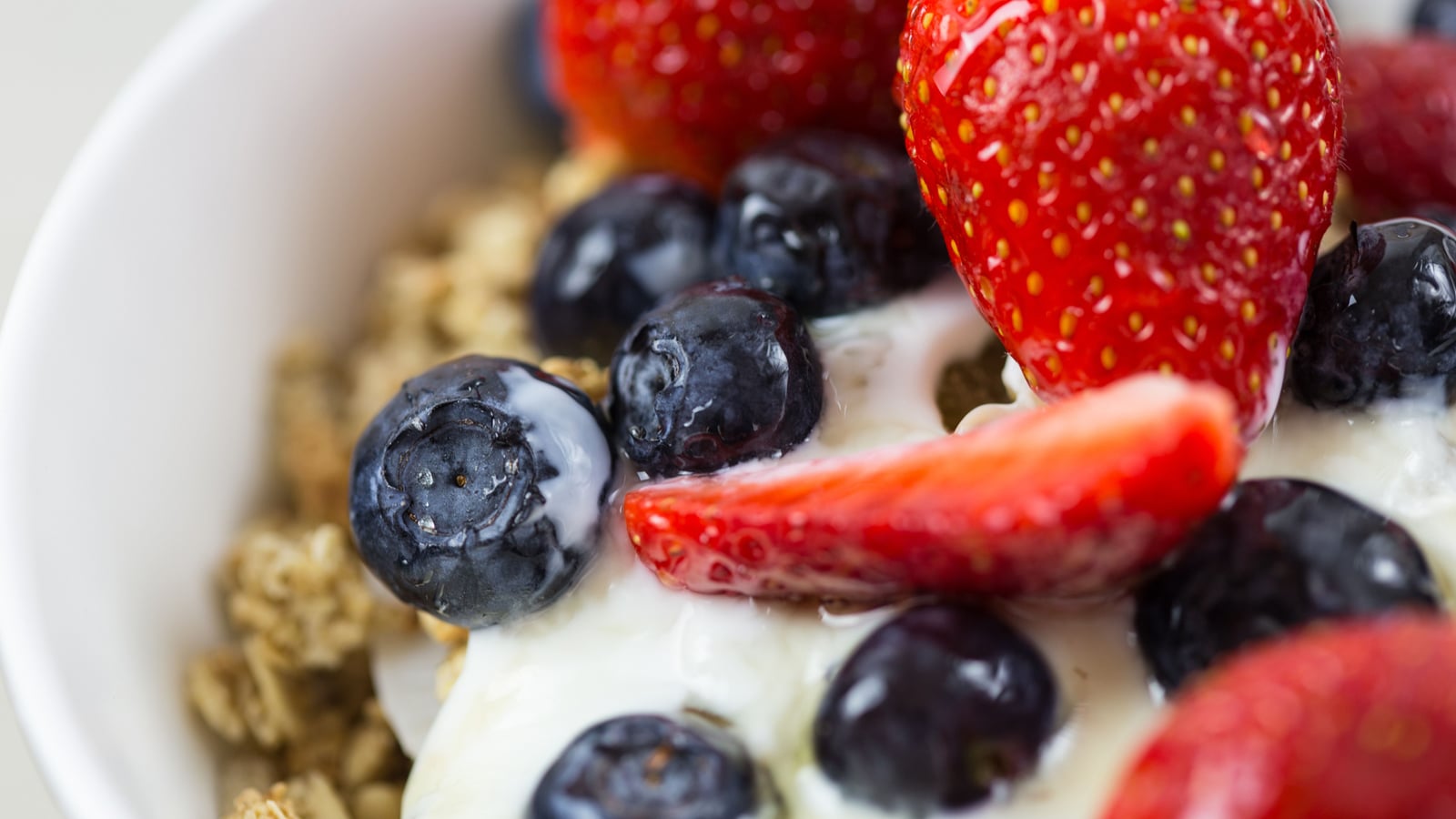
A few concrete ideas that come up often among experienced club shooters: oats with fruit and a bit of honey, whole-grain bread with an egg, or yogurt with whole-grain cereal and a banana. The goal is a mix of complex carbs and protein that holds for several hours without blood sugar swings.
Avoid plain pastries or very sugary cereals as an exclusive breakfast: they give a blood sugar spike followed by a crash, exactly the pattern to avoid before an event lasting several hours. Also avoid a breakfast that’s too heavy and fatty, “all-you-can-eat hotel buffet” style, which mobilizes a lot of digestive energy and can leave you heavy on the firing line.
Timing matters too. Eating two to three hours before the start gives digestion time to progress well without you being in active digestion when aiming. If your call time doesn’t allow for that delay, favor a lighter meal and top it off with a small, stable snack an hour before.
Texture and quantity matter too. A breakfast wolfed down in three or four bites standing up in a rush doesn’t digest the same way as a meal eaten sitting down, calmly, with time to chew properly. This difference may seem trivial, but more laborious digestion consumes more energy and can be felt as heaviness when you take position, especially under the extra stress of competition.
Snacks during a long event
For an event spread over several hours with several relays, it’s normal and even recommended to eat between shooting phases. The challenge is choosing snacks that maintain blood sugar without causing digestive drowsiness or a spike-crash.
Dried nuts like almonds, walnuts, or hazelnuts combined with sweet dried fruit like apricots or dates form a good base: fats and protein for satiety, natural sugars for energy, all with relatively gradual release. A banana is also a simple, effective classic between two relays, easy to digest and rich in potassium, useful for muscle function.
Cereal bars made mainly of oats and dried fruit, without an excess coating of chocolate or syrup, are a practical and low-bulk option in a shooting bag. Just check the ingredient list: some “energy” bars are actually true fast-sugar bombs that reproduce the spike-crash problem.
Avoid discovering a new food or a new brand of bar on competition day. Test your snacks in training, during long sessions that simulate the real duration of an event, so you know precisely what suits you without digestive issues or an energy slump.
The frequency of intake matters as much as the choice of food itself. Nibbling a small amount every hour or hour and a half keeps blood sugar more stable than waiting for a big hunger pang and eating a large amount all at once. This regularity takes a bit of discipline, especially when competition focus makes you forget to eat, but it pays off greatly over the duration of a long event.
Hydration: an underestimated factor
Dehydration, even mild, degrades concentration and increases the perception of fatigue before you even feel thirsty. A drop of just a few percent in body hydration can be enough to impact alertness and fine coordination, two essential elements in precision shooting.
The right reflex is to drink regularly in small sips throughout competition day rather than large quantities all at once. Drinking half a liter of water in one go right before taking your position isn’t comfortable and can even disturb your breathing and stability due to the feeling of stomach fullness.
A good, simple indicator accessible to anyone, with no special equipment, is the color of your urine during the day: a light color signals proper hydration, a dark color is a signal to correct quickly by drinking more regularly. This benchmark applies to any shooter, regardless of level or discipline practiced.
For outdoor events in strong heat, fluid losses are faster and it can be useful to supplement water with a slightly isotonic drink for electrolytes, particularly during a session lasting all morning or all day. For a short indoor event in an air-conditioned range, plain water is plenty.
Watch out for the opposite excess too: drinking too much right before the start creates an urgent need that distracts you during the string and pushes you to rush between shots. Plan your bathroom trips into your pre-match routine, exactly as you plan your equipment check.
Some shooters also wonder whether hot drinks like tea or herbal tea count toward the day’s overall fluid balance. The answer is yes, the water in these drinks fully counts toward your fluid balance, provided the drink isn’t too sweet and its caffeine content stays compatible with what we covered above about alertness and tremor.
What to absolutely avoid on match day
Alcohol, even in minimal amounts, should be completely avoided on the day of an event and ideally the evening before. It disrupts sleep, slows reflexes, and can degrade fine coordination for several hours after consumption, not to mention its total incompatibility with shooting from a safety standpoint.
This incompatibility isn’t specific to competition, by the way: it applies to any shooting session, including training at the club. An experienced coach systematically reminds new members of this rule from the very first sessions, since it’s a matter of basic safety rather than just a performance tip.
Heavy, fatty meals right before shooting should also be avoided. Digestion mobilizes a big share of your energy and blood toward the digestive system, which can leave you drowsy and less reactive when stepping up to the firing line. A saucy dish or fried food the night before is never a good idea ahead of a morning event.
Also avoid any food or drink you’ve never tested in training, however tempting it might be on the club or range buffet. Competition day isn’t the time to discover that a certain food doesn’t agree with you digestively. The basic rule of sport in general applies perfectly here: nothing new on match day.
Finally, be wary of fasting out of stress. Some shooters, under pressure, skip breakfast entirely or eat almost nothing all day. That’s the opposite of what to do: competition stress already consumes a lot of nervous energy, and a poorly fed body amplifies the negative effects of that stress on stability.
This nervous-fasting reflex often affects the shooters most stressed by the stakes of the event, which is particularly unfortunate since they’re precisely the ones who most need stable blood sugar to offset the nervous load of competition stress.
Certain beliefs about competition nutrition also circulate in clubs without much solid basis. The first is the idea that a big strong coffee right before the start “wakes up the reflexes” and improves performance: in reality, for a shooter unaccustomed to caffeine, this stimulant effect can mostly translate into increased tremor, the exact opposite of the desired effect.
Another misconception is thinking you should eat as little as possible to stay “light and focused.” This confuses digestive lightness with deprivation: an underfed body produces less available energy for the brain, which degrades concentration instead of improving it. The right approach is a moderate, regular intake, not fasting.
Some shooters finally think a chocolate bar or a very sugary drink right before the start gives a providential “boost.” That’s true for a very short shot lasting a few minutes, but totally counterproductive over an event lasting several hours, because of the hypoglycemic backlash that follows. The idea that competition nutrition is reserved for top-level shooters is probably the most widespread and the most false of all: a club shooter who simply structures their meals and snacks around their long sessions often progresses faster in stability than by changing equipment.
Building your nutritional routine in training
A competition nutritional routine isn’t improvised on the morning of a final — it’s built and tested over several months of training. The idea is to reproduce real conditions: schedule, session duration, type of effort, to observe how your body reacts to this or that meal or snack.
An experienced coach often advises keeping a small notebook, or using the notes feature of a tracking app, to record what you ate before a long session and how you felt during it: energy level, perceived stability, any digestive issues. This tracking helps identify your own patterns, which can differ noticeably from another shooter’s.
Test in particular the sessions that simulate the exact format of your next important competition. If you’re aiming for an event lasting four hours with two relays, train at least once under those duration and schedule conditions to validate your food strategy before match day.
This nutritional preparation is an integral part of your overall competition preparation, on the same footing as checking your equipment or repeating your technique. It deserves the same seriousness and the same anticipation, not a last-minute improvisation the night before.
Nutrition by discipline format
Not all disciplines call for the same food strategy, because they don’t impose the same physical effort or the same duration of stress exposure. A dynamic shooting course where you string together movements and position changes draws more on your muscle reserves than a static event where you stay lying or standing at the same station for long minutes.
For static precision events, such as rifle or pistol on fixed targets, the main challenge is prolonged postural stability: stable blood sugar, regular hydration, and fine caffeine management take priority over everything else. Energy expenditure stays moderate, so food intake can stay light as long as it’s regular.
For more dynamic disciplines with movement between stations, physical expenditure is greater and can justify a slightly higher caloric intake, notably complex carbohydrates to sustain effort over the course duration. Eye-hand coordination remains just as sensitive to blood sugar, but here a muscular endurance component is added that shouldn’t be neglected.
For outdoor clay target shooting, often practiced standing in full sun, hydration and heat protection become almost as important a factor as food itself. A light snack every hour, combined with continuous hydration, avoids the slump that can ruin a string toward the end of the round.
The role of sleep and the night before competition
Match-day nutrition can’t make up for poor preparation the night before. What you eat the evening before an event directly influences your sleep quality, and poor sleep degrades fine stability far more than an imperfect breakfast the next morning.
A dinner that’s too heavy, too fatty, or too late the night before disrupts falling asleep and deep sleep quality, which the next day translates into nervous fatigue that amplifies physiological tremor. Favor a simple, easily digestible meal, eaten at a reasonable hour, with a portion of complex carbohydrates that also helps you rebuild your energy reserves for the next day.
Also avoid alcohol the night before, even in modest amounts, as it fragments sleep and degrades nervous recovery, exactly the opposite of what you need before an event requiring hours of concentration. An experienced club shooter often reminds younger teammates of this: competition is also prepared the night before, on the plate, not just the morning of.
Finally, think about physically preparing your competition meals and snacks the night before, not that same morning in a rush. Start-day stress isn’t the time to improvise what you’re going to eat: having everything ready and settled in advance frees up mental energy to focus on your technique.
Special cases: stress, early schedules, and long waits
Competition stress alters digestion in many shooters, sometimes causing mild nausea or loss of appetite upon waking. If that’s your case, don’t force yourself into a heavy meal: favor something easy to digest in a small amount, topping off with a bigger snack later in the morning once the stress has eased a bit.
Very early call times pose a particular challenge: sometimes you have to eat at the crack of dawn to respect the digestion window before the first shot. In that case, prepare your meal the night before so you don’t have to think about anything upon waking, and keep a backup snack in your bag to fill any small gap before the actual start.
Long waits between relays, frequent at big competitions with many stations or firing points, are a classic trap: you nibble out of boredom or eat nothing out of lack of appetite after waiting. Plan sufficient snacks and split their intake rather than eating it all at once at the start of the wait.
Finally, a regional champion often mentions the importance of keeping a dedicated nutrition kit in her shooting bag: water, one or two tested snacks, and nothing else to decide on match day. The fewer food decisions you have to make under stress, the more mental energy you can devote to your shooting technique.
This kit deserves thoughtful organization, just like an equipment checklist: enough water for the entire planned duration of the competition, one or two snacks already tested in training, and a small backup reserve in case of a schedule surprise. Keep these items in a dedicated, easily accessible pocket, not at the bottom of the bag under ammunition and hearing protection, so you can grab your snack or bottle without dismantling your whole kit between two relays.
Also think about storage: in strong heat, fresh fruit or yogurt can keep poorly for several hours in a bag left in the sun. In that case, favor more stable snacks like dried fruit or cereal bars, which handle temperature swings on an outdoor competition day much better. Finally, always plan a margin relative to the theoretical schedule: competitions often run late, and one extra snack in the bag keeps you from finding yourself fasting in front of a stretching delay.
Micronutrients and small details that matter
Beyond the big carb-protein-hydration balances, certain micronutrients play a role in neuromuscular function and deserve attention, without falling into excessive or haphazard supplementation. Magnesium, naturally present in dried fruit, whole grains, and legumes, contributes to proper muscle and nerve function.
Potassium, notably provided by bananas, also contributes to normal muscle function and can be worth watching on long events where sweating causes mineral losses. Nothing, however, replaces a varied diet over time: specific supplements should remain a question to discuss with a health professional rather than a night-before improvisation.
Salt also deserves a mention for long, hot outdoor events: heavy sweating causes sodium loss that a normal diet and a light isotonic drink are generally enough to compensate, without needing to over-salt your competition meals.
Finally, vitamin C and the antioxidants naturally present in fresh fruit have no demonstrated direct effect on shooting stability, but contribute to your general fitness over the competition season. A varied, balanced diet in the weeks before an important deadline often counts for more than any last-minute adjustment.
After the competition: the often-neglected phase
Competition nutrition doesn’t stop at the last shot. The recovery phase following a long event is often neglected even though it directly conditions your nervous and muscular recovery before the next training session or the next deadline.
After several hours of intense concentration and postural tension, your body has drawn on its energy and nervous reserves far more than it appears from the outside. A balanced meal within the two hours following the end of the event, with carbohydrates to rebuild reserves and protein for muscle recovery, helps you start off on good footing right from the next day.
Hydration remains just as important after the effort as before, especially if the competition took place outdoors in strong heat. Keep drinking regularly in the hours that follow, even if the feeling of thirst has diminished once competition tension has subsided.
This is also the right time to assess your day’s nutritional strategy: what worked well, what worked less well, which snack you were missing or, on the contrary, didn’t agree with you. An experienced club shooter often notes these observations right after the competition, while still fresh, to adjust their preparation before the next deadline rather than repeating the same mistakes.
There’s no single good nutritional recipe valid for every shooter, by the way, because digestion, caffeine sensitivity, and tolerance to different foods vary from person to person. What works perfectly for one club shooter may not suit another at all, even in an identical discipline and a comparable event format: some digest a full meal very well two hours before the start, while others feel heavy with the same amount of food and prefer to split it into several small intakes.
Age, general cardiovascular fitness level, and even daily eating habits influence how your body handles blood sugar and digestive stress in competition situations. Any personal intolerances or digestive sensitivities should also guide your snack choices: if a food usually bloats you, there’s no reason it would behave differently on a stressful competition day. Listen to your own digestive history rather than copying another shooter’s routine as-is, even if it works very well for them.
For medically monitored shooters, particularly in cases of diabetes or any condition affecting blood sugar, the competition nutritional strategy must absolutely be built with a health professional rather than based on generic advice. The blood-sugar stability principles covered in this article remain valid, but their practical implementation must account for individual medical monitoring.
FAQ
Q: Should you eat right before stepping up to the firing line? A: No, it’s better to finish your last food intake fifteen to twenty minutes before, to let your mouth and stomach settle. A light snack already tested in training remains preferable to a full meal right before the start.
Q: Is coffee really discouraged before a precision event? A: Not if it’s part of your usual daily routine, at the same dose you normally drink. The risk mainly comes from unusual or excessive consumption that can amplify your natural physiological tremor.
Q: What should you do about sudden hunger between two relays? A: Immediately have a moderate-carb snack like a dried fruit or a banana rather than waiting. Ignored hunger often turns into reduced concentration and tremor within minutes.
Q: Are energy drinks a good idea on competition day? A: Risky if you’re not used to them, since they often combine a strong dose of caffeine with fast sugar, exactly the spike-crash pattern to avoid. If you want to try one, test it in training first to know your reaction.
Q: Should you adapt your diet differently for an outdoor event in strong heat? A: Yes, hydration becomes a priority and a slightly isotonic drink can help offset mineral salt losses. Also favor lower-fat snacks, which go down better in the heat.
Q: How long before the start should you have your last real meal? A: The generally recommended ideal is two to three hours before, so digestion is well underway without being active while shooting. If your call schedule doesn’t allow it, lighten this meal and top it off with a stable snack closer to the start.